The itch that keeps coming back can be controlled, once you know what you are treating. Eczema is a group of conditions, and which type is present decides what works, which takes an examination. If your skin flares, settles and flares again, that pattern is the first clue to the type.
Why One Name Covers Several Conditions
Eczema is the everyday word for a family of skin conditions that itch, inflame and return. It is common, and it is not contagious.
- Itchy, dry patches, often from childhood (atopic dermatitis): the most common type, driven by skin barrier, immune system, genes and surroundings rather than one allergen.
- A rash where something touched the skin (contact dermatitis): set off by a particular irritant or allergen.
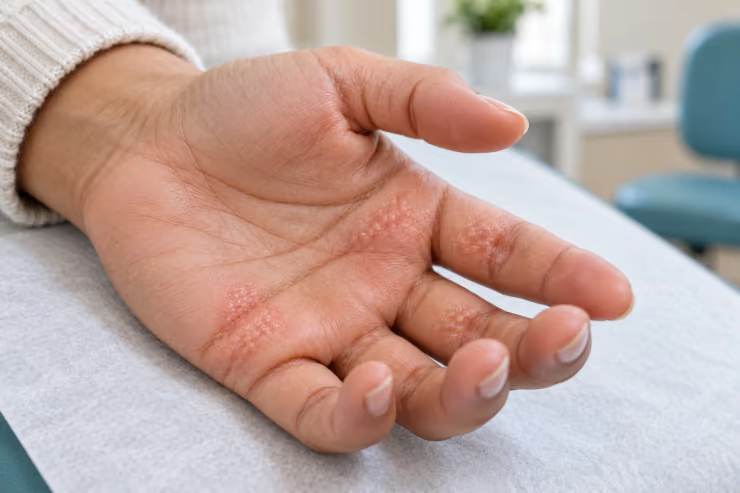
- Small, deep blisters on the hands and feet (dyshidrotic eczema): itchy and prone to returning.
- A thickened patch from repeated scratching (neurodermatitis): an itch and scratch cycle in one spot.
- Coin-shaped patches (nummular eczema): scaly or crusted spots on the limbs.
- Flaky, greasy scale on the scalp and face (seborrheic dermatitis): treated by its own route.
- Discolored, swollen skin on the lower legs (stasis dermatitis): linked to poor vein circulation.
What Eczema Looks and Feels Like
Any type can bring dry or scaly patches, bumps, blisters, oozing, cracks, swelling, or skin thickened by scratching. Itch is the hallmark, worst at night, when it steals sleep and invites the scratching that inflames it further.
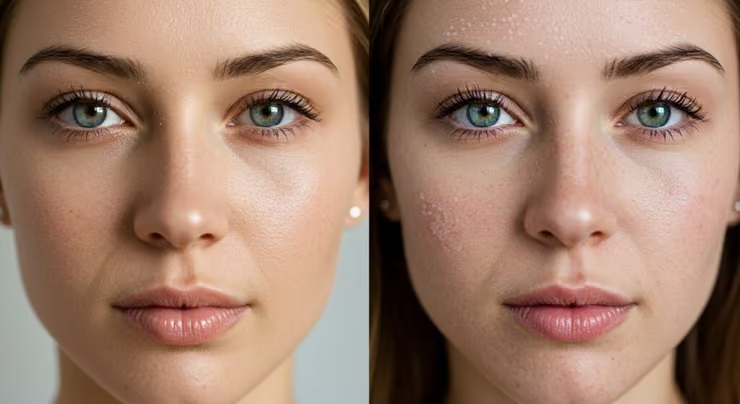
On lighter skin, inflamed patches look red or pink. On deeper skin tones they read violet, brown or gray, or simply less visibly red, which is why it is missed or treated late. Lighter or darker marks can linger after a flare settles, and our clinicians treat eczema in skin of color every day.
Daily Skin Care Comes First
Every plan starts with the same routine. Wash in lukewarm water with a gentle fragrance-free cleanser, skip the scrubbing, and pat the skin dry. Apply a thick fragrance-free cream or ointment within a few minutes, and again after every handwashing.
Choose products labeled fragrance-free rather than unscented, because an unscented product can still contain fragrance ingredients. Introduce new products one at a time, and keep the same gentle rules for sensitive skin in summer.
For some mild eczema this routine is enough. When the skin keeps flaring through it, that is the signal to be seen rather than to try harder.
How Is Eczema Treated?
Think of treatment as a ladder we climb with you, starting on the gentlest rung that works and stepping up only when needed. We see patients regularly, to monitor your progress, answer questions, and make thoughtful adjustments, partnering with you until you achieve the best possible outcome.
The rungs for the most common type:
- Moisturizers and gentle skin care: the routine above, kept up on good days and bad.
- Prescription anti-inflammatory creams and ointments: steroid and nonsteroid options, matched to the body area.
- Medicines that work throughout the body: for selected patients whose moderate to severe eczema stays out of control.
- Light treatment: arranged by referral to a phototherapy center, with follow-up continuing at our office.
Several types step sideways instead of up, because they are treated by their cause. The contact type settles once the irritant or allergen is found and avoided or reduced. The seborrheic type often responds to medicated shampoos, antifungal creams or anti-inflammatory medicine.
The stasis type needs the leg circulation treated, with compression only where a clinician decides it is safe. Eczema care sits within the medical dermatology services we offer.
What Makes Eczema Flare?
Cold, dry air and indoor heating set some people off, while heat, humidity and sweat set off others. Avoid the triggers you can confirm for yourself, and expect that some flares arrive with no findable cause.
Do not start an elimination diet, or take foods out of a child's diet, to treat eczema without medical guidance. Unsupervised restriction can cause nutrition and growth problems, and no supplement or detox regimen is an established eczema treatment. A supplement recommended for a separate medical reason does not replace eczema care.
Living With Eczema Over Time
Several types are chronic or recurrent, and treatment controls them rather than ending them. Improvement builds gradually, and the daily routine continues when the skin is quiet.
Lost sleep, low mood and self-consciousness about visible patches are part of the condition, and they belong in the conversation at your visit.
When to See a Dermatologist
Book an evaluation when eczema is widespread, keeps disturbing sleep, or interferes with school or work. The same holds when it involves the face or genitals, resists nonprescription care, or returns with a workplace or personal-care exposure. Tell us if eczema is affecting your sleep, your mood or your daily life.
Prescription steroid creams differ in strength, and stronger ones used longer carry more risk, especially on the eyelids, face, skin folds and genital skin. We match the product to the area, and the prescribed amount and schedule are the ones to follow.
Steroid pills or injections that act throughout the entire body are avoided as routine eczema care, because of side effects and rebound flares. Two classes do act throughout the body: injected medicines that target part of the immune system (biologics), and prescription pills (including the JAK inhibitors). Both are for selected patients whose moderate to severe eczema has not responded to basic and topical care.
Which fits depends on age, pregnancy or breastfeeding, active or returning infections, how your immune system is working, and planned vaccinations. Cancer history, clotting or heart and blood vessel risk, liver or kidney disease, and other medicines you take also count. Some need laboratory or infection screening first and monitoring after.
Some of these pills carry the strongest safety warning the FDA issues, and what it means for you is discussed before one is prescribed. Approval and age limits differ by medicine, and where a use is accepted practice but not on the label, your dermatologist says so first.
Infected skin may need an antibiotic or antiviral, and uninfected eczema does not. Contact our office promptly if you notice:
- pain, warmth or swelling that is getting worse quickly
- pus, or honey-colored crusts
- redness or discoloration that is spreading
- a fever, or a rash that suddenly becomes much worse
A herpes infection can spread through eczema-affected skin (eczema herpeticum). Seek emergency care right away for:
- painful clusters of small blisters or punched-out sores, especially with fever, fatigue or swollen glands
- any sores near the eyes
- new eye pain
- marked eyelid swelling
- sensitivity to light
- a change in vision
This article is education rather than a diagnosis, and it does not replace an examination of your skin.
How We Approach Eczema Care
Our South Loop dermatology practice is physician-led, and eczema care begins with a medical evaluation by a board-certified dermatologist or physician assistant. Our team leans on evidence when choosing a treatment and stays with you at every rung.
Questions Patients Often Ask
Can Eczema Be Cured?
It varies by type. The chronic types are controlled rather than cured, and the contact type is the exception once its exposure is found and avoided. The contact type is the exception once its exposure is found and avoided.
Do I Need Allergy Testing?
Not necessarily. Diagnosis usually rests on your history and a careful examination of the skin, and a rash that persists or does not fit the pattern may need further testing.
When the contact type is suspected, common allergens taped to the skin (patch testing) can find the culprit. Skin-prick and blood tests do not diagnose eczema.
Does Eczema Only Start in Childhood?
No. The most common type most often begins in childhood, and it can also start in adolescence or adulthood.
Can a Tanning Bed Replace Light Treatment?
No. Tanning beds, sunlamps and deliberate unmonitored sun exposure are not substitutes for medical light treatment. They can burn the skin and raise skin cancer risk.
Talk With Us About Your Next Step
If you are still unsure which type this is, that uncertainty is itself a reason to come in. An examination settles the type, the type sets the plan, and we adjust it with you at each follow-up. You can request an appointment or contact our office.
Individual results and duration of results may vary. Outcomes are not guaranteed.