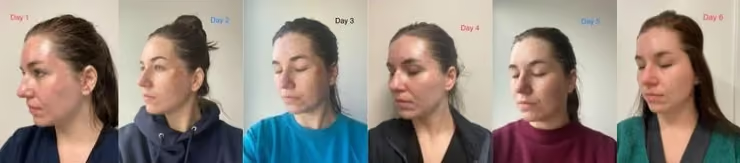
Your skin can look more even in tone and texture after a peel finishes healing. Peel strength decides how much changes, and healing runs 1 to 10 days depending on the peel and your skin. The photos you have been comparing online make more sense once you know what each stage looks like.
What a Before and After Photo Can Tell You
A fair before and after pair is shot in the same light, at the same angle, with the same expression. It names the peel, says how many treatments were done, states the time elapsed, and shows results across a range of skin tones. A filtered or staged photo shows editing rather than healing.
A single-visit result is not automatically a red flag. Lighter peels are built around a series, while one medium-depth peel can produce a larger change on its own. We take standardized photos so you can track your own progress.
What Actually Changes After a Chemical Peel
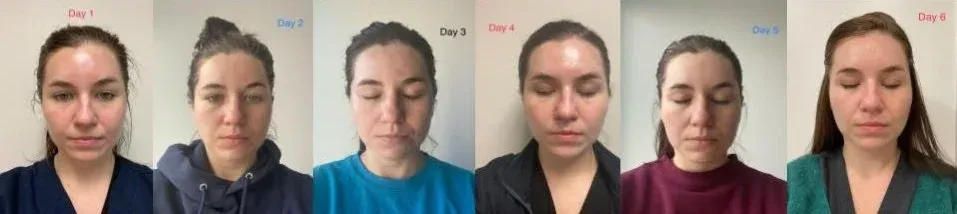
Sun spots (solar lentigines) and the dark marks left after breakouts (post-inflammatory hyperpigmentation) soften first, so your tone looks more uniform. Texture refines as rough patches and small bumps smooth out. Fine lines around the eyes and mouth soften, while deep wrinkles stay where they are.
Your features stay recognizably yours. Peels can also help some forms of acne and the dark marks that linger afterward, and those marks are not scars. Selected peel techniques may soften certain shallow acne scars, while deeper pitted or rolling scars are better matched to microneedling or laser treatments.
Which Peel Strength Fits Your Goal?
Our peel menu runs from light to medium depth, and the strength you receive decides the plan. A dermatologist gives you an individualized medical evaluation first, and our licensed aestheticians then perform the peel under dermatologist direction.
- AHA peels: Alpha hydroxy acid peels, the family that includes glycolic acid, brighten dull skin and smooth surface texture.
- BHA and salicylic acid peels: Salicylic acid dissolves in oil, so this beta hydroxy acid reaches into congested pores and suits breakout-prone skin.
- VI Peel®: A branded peel with its own product-specific aftercare steps, it produces the visible peeling described in the timeline below.
Medium-depth peels reach more visible brown spots, uneven texture and fine lines, with more peeling each time. Lighter peels are often repeated every few weeks, while medium-depth peels need much longer between treatments. We will customize the peel type and schedule for you based on your goals and personal timeline.
Deep peels are a different category of treatment, done in a surgical setting elsewhere and seldom more than once.
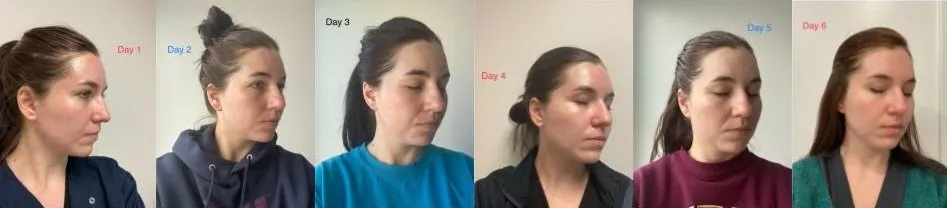
The Chemical Peel Process Day by Day
Think of the sequence below as a roadmap for the first week, with the pace set by your peel and your skin.
- The first hours: Your skin looks pink and feels tight and warm, like a mild sunburn, and a little sensitive to touch.
- The peeling phase: Skin turns dry and flaky, and it looks worse before it looks better. With the VI Peel, peeling starts around days 2 to 3 and runs up to a week.
- Little visible peeling: Lighter peels can shed so finely that you barely notice, and the fresh skin still comes through underneath.
- When the result reads: Once the flaking settles, skin looks brighter, smoother and more even, and keeps improving as inflammation calms.
Redness can outlast the visible peeling, so a face that is still pink after the flakes are gone is on schedule.
Why Results Take Time to Show
A peel is a controlled injury to the surface of your skin. The acid loosens the outer layer of dead and damaged cells, the skin sheds them over several days, and new cells rebuild the surface. Inflammation is part of that rebuilding, and it has to settle before the result is fair to judge.
Medium-depth peels reach a little further and also prompt rebuilding in the layers beneath the surface. That deeper repair is why their change is larger and their recovery longer. Lighter peels work mainly at the surface.
Is a Chemical Peel Right for Your Skin Type?
Highly pigmented skin can be a good candidate for carefully selected peels, particularly lighter ones. Treatment takes real expertise, because dark marks can follow a peel and, less commonly, lightening or darkening that lasts a long time. Deeper peels are often avoided for that reason.
Reactive skin needs a dermatologist evaluation first. During a flare of persistent facial redness (rosacea) or eczema, or while your skin barrier is irritated, we wait until things settle. Once your skin is stable, a carefully chosen lighter peel may be considered.
Mature skin gains the most in tone, texture and fine lines, and stubborn sun spots can also be treated with laser treatments. Deep wrinkles and sagging sit below what a peel reaches, and for those goals we talk through other options with you.
Before You Book
Tell us which medications and skincare products you use, because some change the timing of your peel. The chemical peels page lists what to stop beforehand, along with the peel-by-peel detail and the full exclusion list.
Mention any history of cold sores (herpes simplex), because preventive antiviral medication may be recommended for some peels. Cold sores can reactivate even when no sore is present. Treatment is postponed for an active infection, a current cold sore outbreak, open wounds, sunburn, or an active rash (dermatitis) in the treatment area.
Expect redness, flaking, tightness and temporary sensitivity. Less common problems are prolonged redness, darkening or lightening of the treated skin, chemical burns, infection or cold sore reactivation, delayed healing, and scarring.
Pigment change is more likely in darker skin tones and after marked inflammation or unprotected sun exposure. Occasionally it lasts a long time or never fades.
Afterward, keep the skin moisturized and do not pick or pull at peeling skin, which can cause scarring and uneven results. Wear broad spectrum SPF 30 or higher every day, because fresh skin is especially vulnerable to sun damage. Wait for our clearance before restarting retinoids and other active ingredients.
Contact our office promptly if you notice any of these:
- worsening pain or burning
- marked or increasing swelling
- blisters
- spreading redness
- drainage
- fever
- cold sore like lesions
- rapidly worsening pigment change
- skin that is not healing as expected
This article is not a diagnosis, and it does not replace an evaluation of your skin.
How We Approach Peels
Our South Loop dermatology practice is physician-led, and every peel plan is physician-directed from the first evaluation. Led by our dermatologists, our aestheticians complement medical treatment with physician-curated services and skincare for enhanced results. We see you regularly afterward to check healing, answer questions and adjust the plan.
Questions Patients Often Ask
How Many Chemical Peels Do You Need to See Results?
It varies. Your dermatologist sets the count and spacing from the peel, your skin type and how you healed, then adjusts as you go.
Will Your Skin Look Worse Before It Looks Better?
Often, yes. The dry, flaky days in the middle of the week are the peel working, and fresh skin is already underneath. The result reads once the redness settles.
How Long Do Chemical Peel Results Last?
It varies. The sun that made the spots can bring them back, so daily sun protection and your skincare decide how long the result holds. We adjust that skincare plan with you at follow-up.
Can You Wear Makeup While Your Skin Is Peeling?
No, not over raw, blistered, crusted or open skin, and beyond that follow the timing for the peel you received. Some lighter peels allow makeup as soon as the next day, and medium-depth peels take about 5 to 7 days. The VI Peel follows its own product-specific post-treatment steps.
Talk With Us About Your Next Step
If you are still weighing your options, an evaluation of your own skin is the next step. Our team will look at your concerns, review your history and build a peel plan around your goals. Request an appointment at our South Loop office, or contact us with the questions you still have.
Individual results and duration of results may vary. Outcomes are not guaranteed.