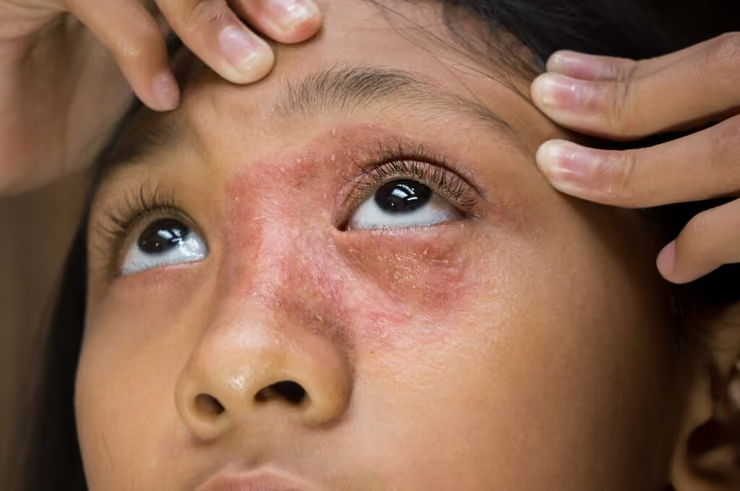
If you have cellulitis, it needs to be treated promptly. Some signs mean urgent care or an emergency room now, without waiting for an appointment. Cellulitis is a bacterial infection of the deeper layers of the skin and tissue beneath it.
How Cellulitis Starts and Who Gets It
Bacteria can enter your skin through a break, such as a cut, ulcer, insect or animal bite, puncture wound, surgical wound, or even an unnoticed crack in the skin. A fungus infection such as athlete's foot or a rash such as eczema can cause breaks in the skin. Very dry skin can also crack.
Infections that do not form pus are usually caused by strep bacteria. If pus is present, staph bacteria (including MRSA bacteria, which resist many common antibiotics) are more likely to be the cause.
Cellulitis is more likely to occur if you have had a prior episode, have leg vein problems, are overweight, or have diabetes, especially if it is not well-controlled.
Cellulitis is also more likely if you have had long-lasting leg swelling (including poor lymph drainage, also called lymphedema) or have had surgery that affected your lymph drainage or had a leg vein removed. The same goes for a weakened immune system (such as with chemotherapy or medication taken to prevent organ rejection after a transplant). Steroid pills or injection that have effects throughout your body can also weaken your immune system.
What Cellulitis Looks Like on a Leg
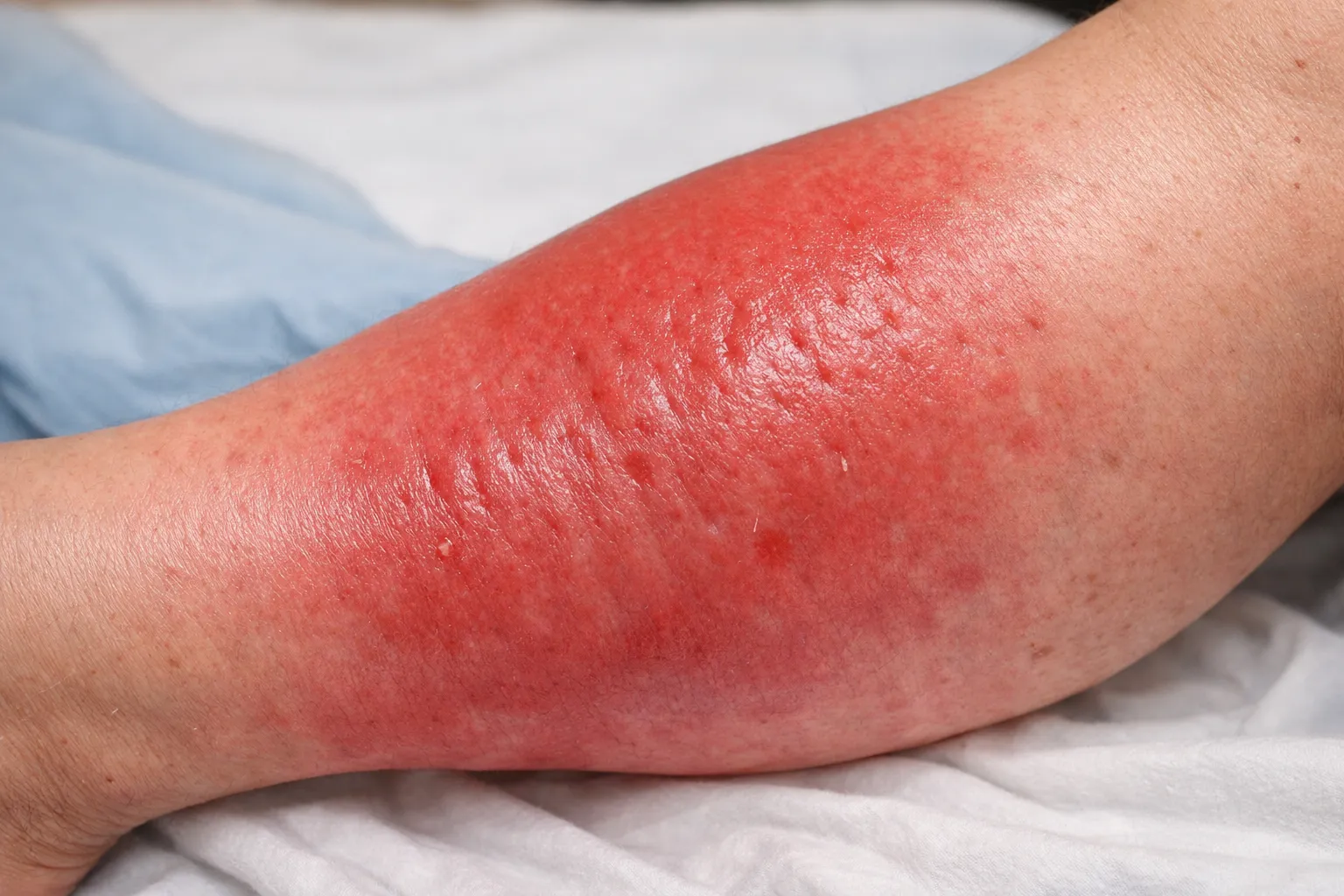
Cellulitis causes warmth, swelling, tenderness, and a red or other colored area that spreads over time (hours to days). It usually occurs on only one leg.
Skin may become pitted like an orange or blister. Streaks may spread from the infected area. Nearby lymph glands may become swollen and tender.
Fever, chills, tiredness, or a general feeling of being ill may occur before the skin changes. But a fever is not always present even with a serious infection.
Cellulitis may look purple, darker than your normal skin color, or even dark brown on brown or Black skin. Color alone isn't enough. Compare it with nearby skin and check for warmth, swelling, pain, and texture.
Could a Red Leg Be Something Else?
People who are first thought to have cellulitis are often found to have another problem when studied carefully. Cellulitis rarely occurs in both legs at the same time (although you can have it in both legs). Even if you have had a long-lasting rash or swelling, it is still possible to get cellulitis on top of it.
Seeing a dermatologist can help you avoid taking antibiotics for cellulitis if you do not have cellulitis and you do not have any of the urgent symptoms mentioned below.
- Vein eczema: Poor circulation from leg vein problems can cause itching, swelling, and skin color changes in one or both lower legs. Dry, scaly skin often develops at the ankles (stasis dermatitis). On brown or Black skin, the color may become brown, purple, gray, or ashen. Antibiotics are not automatically needed for vein eczema.
- Vein skin hardening: Flare-ups of this vein-related condition can be warm, painful, and very similar to cellulitis. Long-standing skin hardening related to vein problems causes firm darkening of the skin of the lower leg, making it narrower.
- Contact rash: An itchy or burning rash may develop from a reaction to an adhesive, brace, soap, cream, or other product touching your skin (contact dermatitis). Blisters may form or the rash may weep. It may be painful, not just itchy.
- Lymphedema: Long-lasting swelling and skin thickening may occur without an infection. But be aware that you are at increased risk for getting cellulitis if you have lymphedema. If your leg becomes painful, warm to the touch, or you feel ill, get it checked again.
- Blood clots: Blood clots that form in deep leg veins (deep vein thrombosis) can cause a painful, swollen leg and need their own evaluation the same day, even without fever.
- Gout: This type of arthritis usually affects one joint, such as the big toe, ankle, or knee. Pain and swelling develop quickly and can be very severe, sometimes seeming to come on overnight.
How Is Cellulitis Treated?
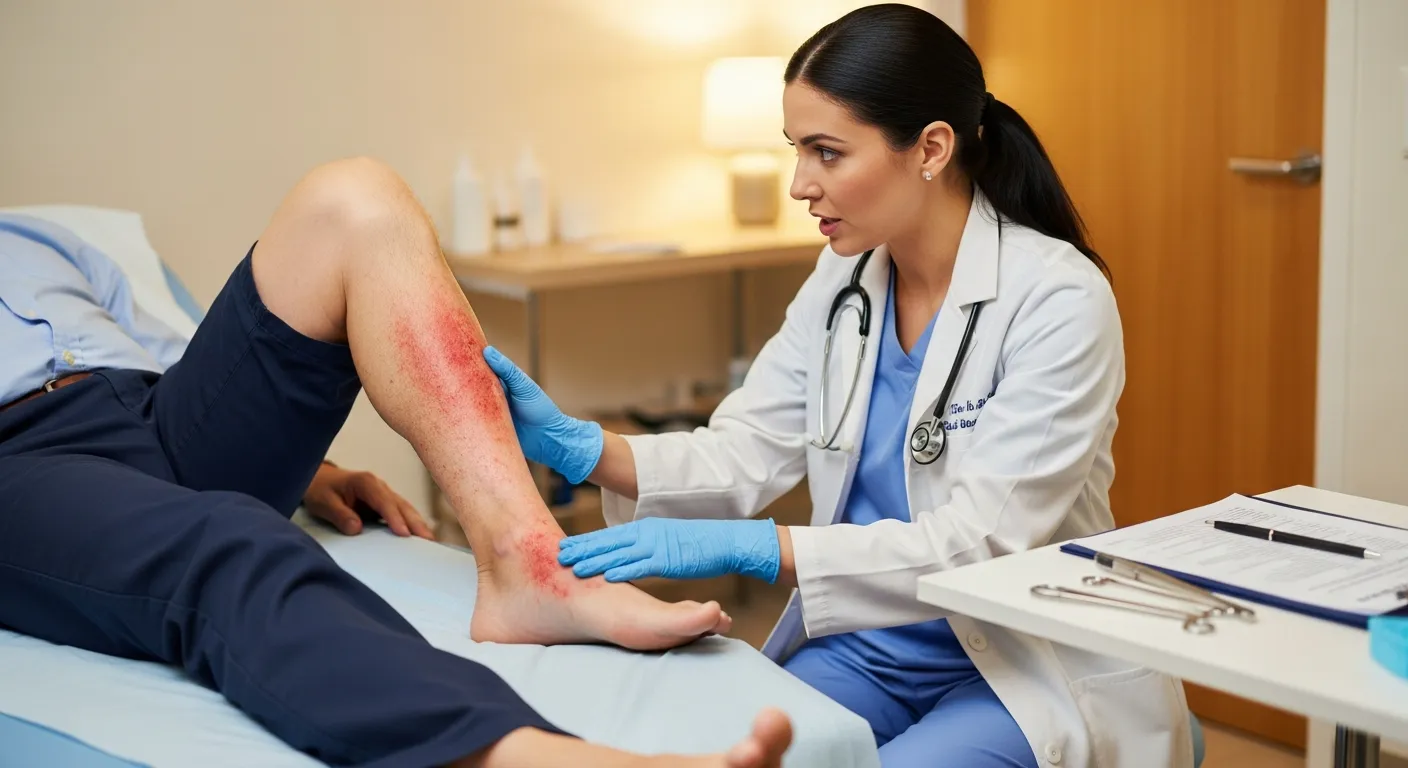
Typical cases of cellulitis can be diagnosed based on your medical history and a physical exam. Skin swabs, cultures, blood tests, or an ultrasound may be done in certain cases.
Most cases of uncomplicated cellulitis are treated with antibiotic pills. The choice of antibiotic depends on what bacteria are likely to be causing your infection, any allergies you may have, what bacteria are resistant to antibiotics in your community, and the possibility of side effects. Common antibiotics used to treat nonpus-forming cellulitis include dicloxacillin and cephalexin.
The length of your course of treatment depends on a number of factors, but usually takes five to seven days. The prescriber will lengthen it if you are not improving fast enough.
You may need antibiotics through a vein from the start (this may require a trip to the hospital) if you are very sick or if your immune system is significantly weakened. They may also be needed if a more dangerous infection reaching deeper than cellulitis is suspected, if you can't take pills, or if the pills aren't working.
A deeper infection that may be destroying tissue needs emergency hospital care, including a prompt check by a surgeon.
If you develop an abscess (collection of pus), it needs to be drained. This should not be done at home. This may also require a course of antibiotics.
Recovery and How Serious It Can Be
The skin discoloration may worsen slightly during the first two days of treatment. This does not necessarily mean that the antibiotic is not working. However, if the skin discoloration is spreading quickly or continuing to spread, this is cause for concern and requires urgent re-evaluation.
Even after the skin discoloration, swelling, and soreness begin to improve, they may take longer to completely resolve than the length of the prescribed course of antibiotics. This does not usually require more antibiotics.
While you are taking the antibiotic, you should elevate your leg on pillows so that it is above your heart as much as possible. This will help drain the swelling. Acetaminophen or ibuprofen (if you are able to take these medications) and rest may also help your pain.
Warm compresses may also be soothing. Avoid dehydration. Ask your treating clinician when you should begin (or rebegin) compression treatment.
People usually make a full recovery if treated promptly. However, this infection can come back. It can also lead to more serious problems such as sepsis (a reaction to the infection that can cause organ damage and can be life-threatening).
Cellulitis that isn't treated or that keeps coming back can damage your lymph drainage system and lead to long-term swelling.
Keeping Cellulitis From Coming Back
Cellulitis can come back, even in the same place. This doesn't always mean that the first infection wasn't treated enough. While you are prone to swelling or if you have an ongoing skin condition, the following tips may help prevent cellulitis:
- Athlete's foot: Treat athlete's foot, especially if you have skin that is cracking, scaling, or becoming soggy between your toes.
- Small wounds: Clean and cover minor wounds (as long as they are not infected) with plain petroleum jelly and a covering. Antibiotic ointment is rarely necessary and can cause a rash.
- Dry skin: Avoid dry, cracked skin with moisturizers. Especially if you have diabetes or poor circulation, examine your feet and legs regularly for cracks, sores, and injuries.
- Leg swelling: Elevate your legs. If you have long-term leg swelling and you have had cellulitis more than once, consider wearing compression in consultation with your clinician. This can help prevent cellulitis.
- Conditions underneath: Take care of underlying conditions such as eczema, vein problems, lymphedema, and diabetes.
- Preventive antibiotics: If you keep having cellulitis, ask your clinician about preventive antibiotics. These should be reevaluated regularly. They can lower the chance of another episode while you take them, and that protection fades after they stop.
If you keep getting cellulitis, your clinician may want to re-evaluate the diagnosis.
When to See a Dermatologist
Go to urgent care or an emergency room now, without booking or waiting to reach us, for any of the following. Where the list says so, go straight to an emergency room, and call 911 for its last two items.
- Fever or chills, at any temperature
- Quickly spreading redness, darkening or swelling (emergency room if it comes with severe pain or you feel very unwell)
- Infection that keeps spreading while you take antibiotics
- New streaks spreading from the area
- New blisters, or skin breaking down
- Suspected infection causing swelling around an eye, in an adult or a child
- Suspected infection near the nose or behind an ear
- Diabetes or a weakened immune system with a spreading infection
- New redness, soreness or swelling during chemotherapy, with low white blood cells or with severe immune weakness your doctors have flagged, even if small and without fever (call them now or follow their emergency plan)
- Vomiting, especially if you cannot keep down fluids or your antibiotic (emergency room if it continues)
- A hot, swollen joint
- Severe pain, especially pain out of proportion to how the skin looks or reaching beyond the visible change (emergency room)
- New numbness, loss of feeling or tingling in the area (emergency room)
- New gray, black or dusky purple patches in the infected area (emergency room)
- Crackling under the skin (emergency room)
- Painful or limited eye movement, vision changes, double vision, a bulging eye, or severe headache with eyelid swelling (emergency room)
- Confusion, new dizziness or faintness, a racing heart, or feeling very unwell (emergency room)
- Fast breathing, shortness of breath, or passing much less urine (emergency room)
- Chest pain (emergency room)
- Severe allergic reaction to an antibiotic, such as trouble breathing or wheezing, swelling of the tongue or throat, trouble swallowing, or fainting (call 911, and use your epinephrine if it was prescribed)
- Sudden confusion, unresponsiveness or collapse, severe trouble breathing, or signs of shock such as cold, clammy skin and a weak pulse (call 911)
If none of those signs applies, promptly contact the clinician treating you (our office, if we prescribed your antibiotic) about these:
- No improvement within 48 hours of starting antibiotics
- Side effects from the antibiotic, or trouble taking it as prescribed
- Symptoms that come back after you seemed better
- Repeated antibiotic courses that have not cleared the problem
- A child treated for swelling around the eye who is not improving within 24 to 48 hours
Tell whoever treats you about diabetes, weakened immunity, earlier cellulitis, leg swelling, vein problems and antibiotic allergies. Mention any recent surgery, cut, puncture, bite or injury in fresh or salt water, and every medicine you take.
With no urgent sign, a dermatology visit is the right door, and we evaluate and treat cellulitis. A newly hot, painful, swollen leg should still be seen within 24 hours if you have no fever, at urgent care if we cannot see you by then.
A dermatology visit suits redness that may be something else, especially in both legs or with long-standing swelling, discoloration or itch. It also suits repeat episodes, follow-up after urgent care or an emergency room, and the skin problems that let bacteria in.
This article is general education, not a diagnosis, and does not replace an evaluation.
Our Approach to Cellulitis
Medical dermatology is physician-directed care. Our board-certified dermatologists use evidence-based medicine to guide your care. We are located in the South Loop and care for patients with a wide variety of skin conditions.
Questions Patients Often Ask
Is Cellulitis Contagious?
No, but the bacteria that cause it can spread through skin contact, a draining wound, or shared towels, washcloths and razors. This is true even of MRSA. Cover your wound, wash your hands, don’t share those items, and don’t pick or pop possible MRSA sores.
Will Cellulitis Go Away on Its Own?
No, you should be seen and treated.
Do I Need to Finish Every Antibiotic Dose?
Yes, just like the doctor told you to, or as the doctor changed it to. Don't stop just because your leg looks better.
How Serious Is Cellulitis for Older Adults?
It varies, but older age can raise the risk of a serious infection, even sepsis. Keep in mind older adults, the very frail, and those getting cancer treatments may not get a fever when they get sepsis.
It depends how sick you are, how frail you are, how good your circulation and immune system are, and what other illnesses you have, such as diabetes or kidney disease. The bar for being seen should be low.
Should I See a Dermatologist or Go to Urgent Care?
It varies, and if any sign on the urgent list above applies, that list already says where to go. Otherwise, our clinicians can confirm what a red leg is and plan prevention with you.
Talk With Us About Your Next Step
If you think you may have cellulitis of the leg, are recovering from cellulitis, or keep getting cellulitis, and you don’t have any of the urgent symptoms above, please request an appointment or contact us. We'll help you plan your next step.
Individual results and duration of results may vary. Outcomes are not guaranteed.