Chemical Peel Before and After: What Real Results Look Like and When to Expect Them
You've seen those stunning chemical peel before and after photos all over social media. Dramatic transformations showing flawless, glowing skin that looks ten years younger. But here's what you're really wondering: are those results real, how long does it actually take, and could your skin look that good too?
The truth is that professional chemical peels can deliver genuinely transformative results when performed by board-certified dermatologists. However, understanding what realistic before and after outcomes look like, the actual timeline for visible improvement, and how different factors affect your results will help you set appropriate expectations and choose the right treatment approach.
At Advanced Dermatology & Aesthetic Medicine in Chicago, board-certified dermatologists Dr. Monica Rani and Dr. Stavonnie Patterson have over 15 years of combined experience helping patients achieve dramatic skin improvements through expertly administered chemical peel treatments. Our licensed esthetician Jasmine specializes in medical-grade chemical peels, delivering natural-looking, lasting results tailored to each patient's unique skin.
This comprehensive guide breaks down everything you need to know about chemical peel before and after transformations, including realistic timelines, what different skin concerns look like at various stages, and how to maximize your results for the most dramatic improvement possible.
Understanding Chemical Peel Before and After Expectations
Before diving into specific timelines and results, it's crucial to understand what makes for truly excellent chemical peel outcomes versus unrealistic or heavily filtered social media photos.
What Quality Chemical Peel Results Actually Look Like
High-quality before and after photos from reputable dermatology practices demonstrate several key characteristics that indicate successful treatment outcomes.
Natural, Gradual Improvement: The best results show progressive enhancement rather than overnight miracles. Your skin should look refreshed and healthier—not artificial or obviously treated.
Even Skin Tone: One of the most noticeable improvements in chemical peel before and after comparisons is more uniform skin color. Dark spots, sun damage, and hyperpigmentation fade significantly, creating a more balanced complexion.
Refined Texture: Excellent results showcase smoother skin with reduced roughness, fine lines, and surface imperfections. The skin appears polished without looking overly processed.
Maintained Skin Character: Your skin should look like the best version of itself—not like someone else's skin. Natural characteristics like freckles may soften but shouldn't disappear entirely.
Common Concerns Addressed in Before and After Photos
Chemical peel transformations typically showcase improvements in several key areas that patients care most about.
Acne Scarring: Before photos often show depressed scars, uneven texture, and post-inflammatory hyperpigmentation. After photos reveal significantly smoother texture, reduced scar depth, and more even coloring. For ongoing acne concerns, many patients complement their peels with ADAM Alpha Beta Pads, which contain glycolic and salicylic acids for daily maintenance between professional treatments.
Sun Damage and Age Spots: Years of UV exposure create brown spots, rough patches, and uneven pigmentation. Chemical peel before and after images show these dark areas fading dramatically, revealing clearer, more youthful-looking skin.
Fine Lines and Wrinkles: While chemical peels won't eliminate deep wrinkles, they significantly soften fine lines around the eyes, mouth, and forehead by stimulating collagen production and removing damaged surface layers.
Enlarged Pores and Blackheads: Before images show congested, enlarged pores and rough texture. After treatment, pores appear refined and skin looks smoother and more polished.
The Complete Chemical Peel Before and After Timeline
Understanding the realistic timeline for seeing results helps manage expectations and prevents disappointment when transformation doesn't happen overnight. Here's what actually happens week by week.
Immediately After Treatment (Day 0-1)
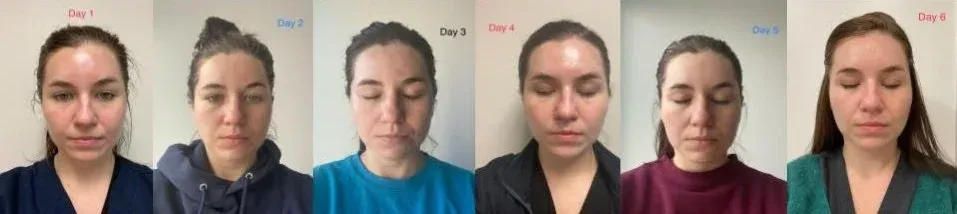
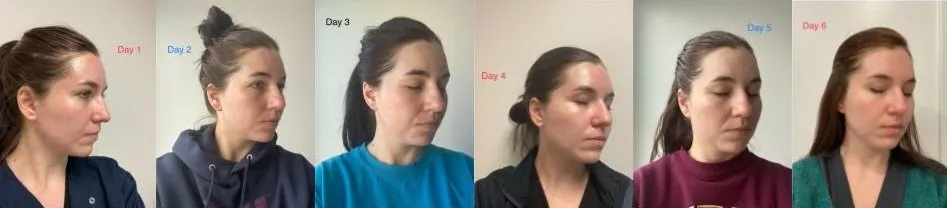
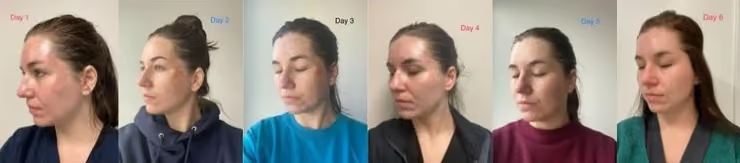
What Your Skin Looks Like: Right after your peel, your skin might appear slightly pink or red, similar to a mild sunburn. Some people leave the office with their skin looking relatively normal, while others show more obvious redness depending on peel depth.
What's Happening: The chemical solution has just disrupted the bonds between dead skin cells. Your skin's natural healing response is beginning to activate, though you can't see it yet.
What You'll Feel: Your face might feel tight, warm, or slightly sensitive. This is completely normal and indicates the peel is working.
What to Do: Apply the gentle, physician-recommended moisturizer consistently. Products like ADAM Biocell Repair Moisturizer are specifically formulated with ceramides and peptides to support your skin's barrier during the healing process.
The Peeling Phase (Days 2-7)
What Your Skin Looks Like: This is where many patients get nervous. Your skin might look dry, flaky, or tight as old layers begin to shed. Superficial peels may cause such fine shedding you barely notice it, while deeper peels create more obvious peeling that can last several days.
What's Happening: Dead, damaged skin cells are shedding away, revealing the fresh, healthy skin underneath. This is exactly what should happen—it's not a complication.
What You'll Feel: Your skin may feel tight or itchy as peeling occurs. Resist the overwhelming temptation to pick at flaking skin, as this can cause scarring and uneven results.
What to Do: Keep skin continuously moisturized and protected. Never pull or pick at peeling skin—let it fall off naturally. Avoid makeup if possible during peak peeling days.
Important Note: Some patients don't see dramatic visible peeling, especially with lighter peels. This doesn't mean the treatment isn't working—cell turnover is still happening at a microscopic level.
Early Results Phase (Days 7-14)
What Your Skin Looks Like: Once peeling subsides, you'll start seeing the "after" part of your chemical peel before and after transformation. Skin looks noticeably brighter, smoother, and more even-toned.
What's Happening: Your new skin is fully revealed. Collagen production has been stimulated and continues working beneath the surface to improve texture over the coming weeks.
What You'll Feel: Your skin should feel softer and smoother than before treatment. Makeup glides on more easily, and you might notice you need less coverage.
What to Do: Continue diligent sun protection—your fresh skin is especially vulnerable to UV damage. Wait until your provider gives clearance before resuming active ingredients like retinoids.
Continued Improvement Phase (Weeks 2-8)
What Your Skin Looks Like: The real magic happens during this phase. Your skin continues improving as collagen remodeling progresses. Dark spots continue fading, fine lines soften further, and overall skin quality keeps getting better.
What's Happening: Deep within your skin, collagen production is ramping up. This process takes time but delivers the most significant and lasting improvements in texture and firmness.
What You'll Notice: Week by week, your skin looks increasingly refined. People might start commenting that you look well-rested or asking if you're using new products.
What to Do: Maintain results with quality medical-grade skincare. Consider reading about acne scar treatment products if you're addressing scarring, as proper home care between treatments dramatically enhances results.
Maximum Results Phase (Months 2-6)
What Your Skin Looks Like: This is when chemical peel before and after photos show their most dramatic differences. Cumulative collagen production creates significant improvements in texture, tone, and overall skin quality.
What's Happening: If you've completed a series of peels (as most dermatologists recommend), the combined effects create compounding benefits. Each treatment builds on the previous one's results.
What You'll Maintain: With proper skincare and sun protection, these results can last many months. However, ongoing maintenance peels help sustain and continue improving your skin's appearance.
Before and After Results by Peel Depth
Different chemical peel strengths produce different levels of transformation. Understanding what each depth can achieve helps you choose the right treatment intensity for your goals.
Superficial Peel Results
Before: Dull, slightly uneven skin tone with minor texture issues, early signs of sun damage, and mild breakouts.
After: Brighter, more radiant complexion with improved texture and reduced congestion. Fine lines appear slightly softened. Results are subtle but refreshing.
Timeline: Minimal downtime (1-3 days), with results visible within one week. Best performed as a series monthly for cumulative improvement.
Best For: Maintaining good skin, preventing early aging, treating mild acne, and regular skin refreshment.
Medium-Depth Peel Results
Before: Moderate sun damage with visible brown spots, noticeable fine lines and wrinkles, acne scarring, and uneven texture. Skin may look aged, tired, or damaged.
After: Dramatically improved skin tone with significantly faded dark spots, noticeably smoother texture, reduced acne scarring, and softer fine lines. The transformation is substantial and worth the recovery time.
Timeline: Visible peeling for 3-5 days with full healing by day 7-10. Maximum results develop over 6-8 weeks as collagen remodeling progresses.
Best For: Addressing moderate aging signs, sun damage, acne scarring, and creating significant visible improvement.
Deep Peel Results
Before: Severe sun damage, deep wrinkles, significant scarring, and pronounced aging signs that haven't responded to lighter treatments.
After: Dramatic reduction in deep wrinkles, substantial improvement in severe scarring, and significant skin tightening. Results can be comparable to more invasive procedures.
Timeline: Extended recovery of 10-14 days with careful post-treatment care required. Maximum results continue developing for several months.
Best For: Severe skin concerns that warrant longer recovery time for dramatic transformation.
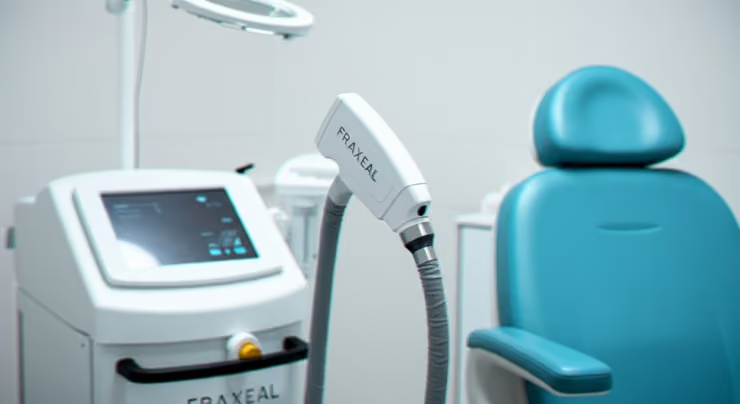
For patients interested in alternative or complementary treatments, our guide to Fraxel laser treatments explains how laser resurfacing compares to chemical peels for addressing similar concerns.
Maximizing Your Chemical Peel Before and After Results
Getting the most dramatic and lasting transformation requires more than just showing up for treatment. Follow these expert strategies to optimize your outcomes.
Pre-Treatment Preparation Enhances Results
Prime Your Skin (2-4 Weeks Before): Some dermatologists recommend using gentle retinoids or AHA products before your peel to prepare your skin for better penetration and more even results. Always follow your specific provider's instructions.
Avoid Sun Exposure: Tanned or sunburned skin cannot be safely treated. Minimize UV exposure for at least two weeks before your appointment.
Stop Certain Products: Discontinue harsh exfoliants, retinoids, and other active ingredients 5-7 days before treatment as directed by your provider.
Post-Treatment Care Determines Final Outcomes
Moisturize Religiously: Keeping skin hydrated supports optimal healing and prevents complications. Medical-grade products formulated for post-procedure care work best.
Sun Protection is Non-Negotiable: Your fresh skin is extremely vulnerable to UV damage. Wear broad-spectrum SPF 30+ every single day, even indoors. One sunburn can undo weeks of healing and cause hyperpigmentation.
Don't Pick or Peel: This bears repeating because it's the most common mistake patients make. Pulling off peeling skin causes scarring, infection risk, and uneven results. Let it shed naturally.
Follow Medical Advice Exactly: Your dermatologist provides specific instructions for a reason. Following them precisely dramatically improves your final results.
Combining Treatments for Enhanced Results
Many patients achieve their best transformations by combining chemical peels with complementary treatments.
Chemical Peels + Medical-Grade Skincare: Using physician-formulated products between treatments maintains and extends results. The ADAM skincare line was specifically created by our dermatologists to complement professional treatments.
Chemical Peels + Microneedling: Alternating between these treatments addresses different aspects of skin aging. Microneedling stimulates deep collagen production while peels resurface and brighten.
Chemical Peels + Laser Treatments: Some patients benefit from combining peels with laser therapies for comprehensive skin rejuvenation.
Your dermatologist can create a customized treatment plan that combines modalities for optimal results. Learn more about comprehensive care through our medical esthetician services.
Reading Chemical Peel Before and After Photos Accurately
Not all before and after photos are created equal. Here's how to evaluate results accurately and avoid misleading representations.
Red Flags in Before and After Photos
Dramatically Different Lighting: Photos taken with different lighting conditions can make improvements appear more dramatic than they actually are. Quality providers use consistent, professional lighting.
Heavy Filters or Editing: Social media filters can create fake results. Look for unedited photos in consistent lighting from reputable dermatology practices.
Single Treatment Claims: Be skeptical of dramatic transformations supposedly from one treatment. Significant improvements typically require a series of peels.
No Timeline Information: Quality before and after comparisons clearly state how much time passed between photos and how many treatments were performed.
What to Look For in Quality Results Photos
Consistent Positioning and Lighting: Professional practices take standardized photos that allow accurate comparison.
Realistic Improvements: Results should show meaningful improvement without looking artificial or too good to be true.
Clear Timeline Information: Knowing when photos were taken helps you understand realistic expectations.
Diverse Skin Types: Reputable practices show results on various skin tones, not just one idealized type.
At Advanced Dermatology & Aesthetic Medicine, we take professional documentation photos to track your progress accurately. Check our before and after gallery to see real patient transformations with authentic, unedited results.
Special Considerations for Different Skin Types and Tones
Chemical peel before and after results can vary significantly based on your unique skin characteristics. Understanding how your skin type affects outcomes helps set realistic expectations.
Chemical Peels for Darker Skin Tones
Patients with deeper skin tones can achieve excellent results from chemical peels, but treatment requires specialized expertise to prevent complications like post-inflammatory hyperpigmentation.
Special Protocols Required: Board-certified dermatologists experienced in treating skin of color use specific peel formulations and protocols that minimize pigmentation risks.
Different Timeline Expectations: Healing may take slightly longer, and results might develop more gradually to ensure even, safe outcomes.
Preparation is Crucial: Pre-treatment with specific products helps prepare darker skin for safe, effective peeling.
Dr. Stavonnie Patterson specializes in treating diverse skin types and serves on the Patient Education Committee for the Skin of Color Society. Her expertise ensures safe, effective treatments for all skin tones.
Chemical Peels for Sensitive Skin
If you have rosacea, eczema, or generally reactive skin, you can still benefit from chemical peels with the right approach.
Gentler Formulations: Superficial peels using lactic acid or other mild acids often work better for sensitive skin than stronger formulations.
Patch Testing: Conservative dermatologists may perform small test areas before treating your entire face.
Modified Recovery: You might experience slightly more redness or sensitivity, but with proper care, results are equally impressive.
Chemical Peels for Mature Skin
Aging skin responds beautifully to chemical peels, though expectations should account for natural aging factors.
Realistic Anti-Aging Results: Peels significantly improve texture, tone, and fine lines, but they won't eliminate deep wrinkles or sagging that requires more intensive treatments.
Combination Approach: Many mature patients combine peels with other treatments like Botox, fillers, or laser therapy for comprehensive rejuvenation.
Maintenance Requirements: Regular maintenance peels help sustain results as natural aging continues.
Common Questions About Chemical Peel Before and After Results
How long do chemical peel results last?
Results duration depends on peel depth and your skincare maintenance. Superficial peels provide improvement lasting 4-6 weeks, making monthly treatments ideal for sustained benefits. Medium-depth peel results can last 6-12 months with proper care and sun protection. Deep peel transformations can last several years, though natural aging continues. Maintaining results requires consistent sun protection, quality skincare, and periodic maintenance treatments. Most dermatologists recommend a series of peels followed by occasional touch-up treatments to sustain your transformation.
Can one chemical peel give dramatic results?
A single medium or deep peel can produce noticeable improvement, especially for specific concerns like sun damage or uneven tone. However, the most dramatic before and after transformations typically result from a series of treatments. Most dermatologists recommend 3-6 peels spaced 4-6 weeks apart for optimal results. This series approach allows cumulative improvements as each treatment builds on previous results. Your skin continues improving between treatments as collagen production increases, creating compounding benefits that single treatments cannot achieve.
Will my skin look worse before it looks better?
During the peeling phase (days 2-7), your skin will look dry, flaky, and possibly uneven. This temporary appearance is completely normal and expected—it's not a complication or sign that something's wrong. Think of it as the necessary "worse" phase before the dramatic "better" results emerge. Most people schedule peels when they can take a few days away from important events or simply embrace the process. The dramatic improvement once peeling completes makes the temporary awkward phase absolutely worthwhile.
Are chemical peel before and after photos on social media accurate?
Be cautious with social media transformations. Many are heavily filtered, edited, or show results from multiple treatments while claiming single-session outcomes. Legitimate before and after photos from board-certified dermatologists use consistent lighting, show realistic timelines, and don't rely on filters or heavy editing. When researching results, prioritize photos from medical practices over social media influencers. Professional documentation provides the most accurate representation of what you can realistically achieve.
Can I wear makeup during the peeling process?
Most dermatologists recommend avoiding makeup for at least 24-48 hours post-treatment to allow your skin to heal properly. During peak peeling (days 2-5), makeup application can be challenging and may worsen irritation. Once your provider gives clearance, use only mineral-based, non-comedogenic products. Many patients find they need less makeup after healing because their skin looks so much better naturally. If you must wear makeup during recovery, opt for light mineral foundation rather than heavy coverage products.
Featured Snippet Summary
Chemical peel before and after results show dramatic improvements in skin tone, texture, and aging signs, with visible results emerging 7-14 days post-treatment and maximum transformation developing over 6-8 weeks. Superficial peels provide subtle brightening with minimal downtime, while medium-depth peels create significant improvement in sun damage, acne scars, and fine lines with 3-5 days of visible peeling. Professional treatments performed by board-certified dermatologists deliver safe, natural-looking results that over-the-counter products cannot achieve.
Ready to See Your Own Chemical Peel Transformation?
If you're tired of looking at other people's chemical peel before and after photos and ready to create your own dramatic transformation, Advanced Dermatology & Aesthetic Medicine in Chicago can help you achieve the radiant, healthy skin you deserve.
Our experienced team—led by board-certified dermatologists Dr. Monica Rani and Dr. Stavonnie Patterson—specializes in creating customized chemical peel treatment plans that deliver real, visible results safely and effectively. With over 15 years of combined expertise treating all skin types and tones, we understand how to create dramatic transformations while maintaining your skin's natural beauty.
Licensed esthetician Jasmine works under physician supervision to perform medical-grade chemical peels using advanced protocols and professional products that spa treatments simply cannot match. Every treatment is tailored to your unique skin concerns, goals, and tolerance level.
Don't trust your skin to inexperienced providers or risky at-home treatments. Professional, physician-supervised chemical peels deliver the safe, dramatic results you see in quality before and after photos. Schedule your consultation today to discuss which chemical peel approach will create your ideal transformation.
Visit our complete services page to explore how we combine chemical peels with other advanced treatments for comprehensive skin rejuvenation. Your journey from "before" to your best "after" starts with one decision—make it today.
See what other patients are saying about their transformations in our patient reviews, and discover why Advanced Dermatology & Aesthetic Medicine is Chicago's trusted choice for professional chemical peel treatments.