You may be looking for a Black dermatologist. Finding a dermatologist who is board certified and experienced in treating your skin concern is important.
What Can Shared Background Offer?
Some patients may want to see a Black dermatologist for their skin and hair care to feel that they share a common racial and/or cultural background. While there is no evidence that sharing a common background is required for excellent care or will reliably improve your health outcomes, it may help improve your comfort, trust, communication and satisfaction.

Why Experience Across Skin Tones Matters
Studies have shown that deeper skin tones are underrepresented in dermatology and general medical training images. That can leave gaps in training, since some conditions present differently in deeper skin tones or can be harder to see (like inflammation). Being experienced in treating a variety of skin tones is clinically important.
Skin of color refers to a wide variety of skin tones, ethnic backgrounds, hair textures and responses to treatments. Even in patients with the same skin tone, different responses to products and procedures can occur.
Race, skin tone and hair texture are related but different. Your skin and hair are unique.
How Should You Choose a Dermatologist?
Regardless of your skin tone or race, you should feel respected and have open communication with your dermatologist and work together to make decisions about your care. When looking for a dermatologist, use this list as a guide. Make sure that they are:
- Board certification: Board certified in dermatology
- Relevant experience: Experienced in treating your skin concern in patients with similar skin and hair
- Communication: Able to communicate with you and help you make decisions about your skin care and hair
- An individual plan: Experienced in tailoring their treatment recommendations to your individual skin, hair, history and goals
Dermatology of skin of color is not a board certification, but a clinical focus. Professional society memberships are not board certifications, but can provide helpful information about your dermatologist and are not guarantees of expertise.

Where Skin Tone and Hair Texture Change the Approach
Dermatologic conditions and concerns can be managed differently in deeper skin tones and textured hair. We can help with a variety of dermatologic concerns that affect deeper skin tones and various hair textures, including:
- Pigment: Dark marks after inflammation (post-inflammatory hyperpigmentation) and dark patches influenced by sunlight, visible light and hormones (melasma). These two conditions are treated differently, but both start with gentle skin care and daily broad-spectrum sunscreen, since irritation can make dark marks worse.
- Scarring: problems like raised scars (hypertrophic scars or keloids) after surgery, trauma, piercing, acne and other inflammatory conditions. Keloids can grow beyond the borders of the initial injury. Some patients with deeper skin tones are at increased risk. Personal and family history are important to consider.
- Scalp and hair: conditions like potentially permanent scarring hair loss at the crown of the scalp (central centrifugal cicatricial alopecia), which is more common in Black women. Other causes of hair loss, like hair loss from tension (traction alopecia) can improve with early treatment once the pulling is relieved, but can become permanent and cause scarring if long-standing.
- Skin cancer: can occur in all skin tones. Skin cancer screening exams can also be performed in deeper skin tones. Please see “When to See a Dermatologist” for warning signs of skin cancer.
Cosmetic Care on Deeper Skin Tones
Cosmetic treatment regimens can also be tailored to your skin after a diagnosis is confirmed. If you have a new or changing dark spot or a dark spot that you are concerned about, you should always have it evaluated for medical conditions before cosmetic procedures (like lasers or peels).
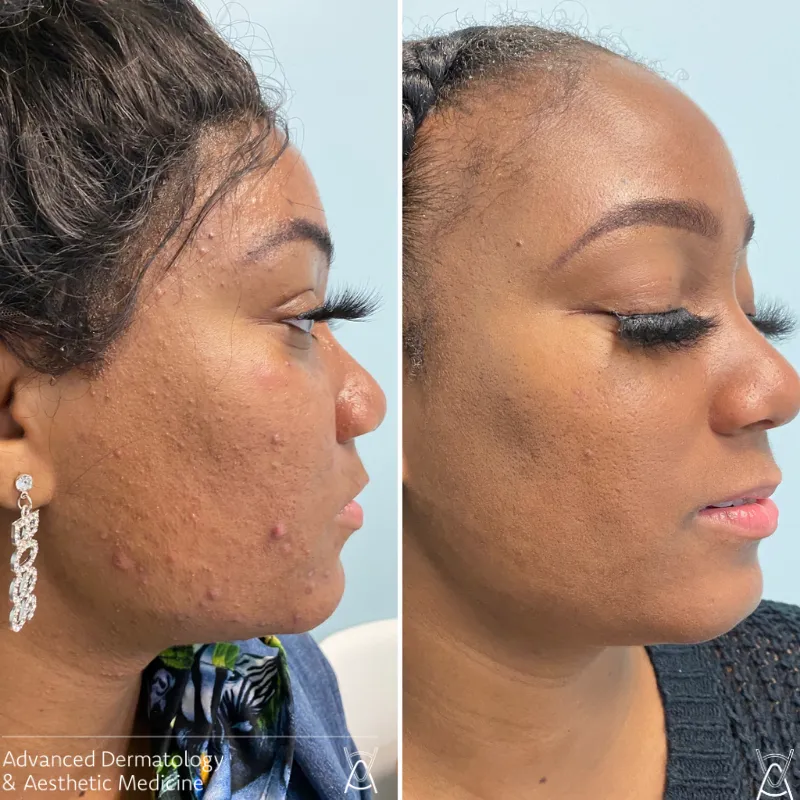
Darkening of the skin after inflammation can be more common and long-standing in deeper skin tones. For peels and laser treatments, the type and settings are chosen to suit your skin tone, diagnosis and past responses to treatment. Led by our dermatologists, our aestheticians complement medical treatment with physician-curated services and skincare for enhanced results.
Laser or peel treatments may cause pain, burns, blistering, crusting, infection, scarring, and temporary or permanent darkening or lightening of the skin. Lasers can damage your eyes, so you will need to wear eye protection throughout treatment.
How We Work With You
Skin of color is a focus across our practice when we are seeing patients at our South Loop location. We will evaluate you and ask you about your skin and hair care practices, styles, and products without blaming you for anything you are doing. Your treatment plan will be specific to you, based on your skin, hair, history, goals, and preferences, not assumptions based on race.
We will see you regularly to follow your progress and to adjust our plan as needed. Our practice is made up of board-certified dermatologists, a physician assistant who only practices medical dermatology, and licensed aestheticians. Please feel free to meet our clinicians before booking your appointment to see if we are a good fit for your needs.
When to See a Dermatologist
Whatever brings you in, tell us about your skin and hair products, medicines and supplements, your usual styles and any chemical or heat treatments. Mention any dark marks, lighter areas of skin or raised scars that followed an injury, a piercing or a past treatment.
Book an evaluation promptly if you notice any of these signs:
- New spot on the skin
- Spot that is changing
- Spot that bleeds
- Spot that hurts
- Spot or sore that does not heal
- New or changing dark streak under a nail
- Unusual spot on a palm or the sole of a foot
- Thinning centered on the crown of the scalp
- Scalp tenderness
- Scalp burning
- Scalp itching
- Hair loss that keeps progressing
This article is for education only; it is not a diagnosis and does not replace an evaluation.
Care Grounded in Evidence
Our Chicago practice is led by physicians and provides medical, cosmetic, surgical, and pediatric dermatology services, and it is part of the Northwestern Medicine Physician Network. We offer treatments that are backed by evidence and that are appropriate for you based on your evaluation. Cosmetic care is physician-directed.
Questions Patients Often Ask
Do Black Dermatologists Treat All Skin Types?
Yes. Board-certified dermatologists are trained to evaluate and treat skin, hair, and nail conditions in a variety of different skin tones. While their experience with certain conditions, procedures, hair practices, and skin tones may be different, their race does not determine their clinical experience.
Can You Ask About a Dermatologist's Experience With Skin Like Yours?
Yes. You may want to ask how frequently they treat your condition in patients with your skin tone and hair texture, and how they plan on preventing irritation or dark marks from your treatment.
This will help you decide if they are a good fit for you.
Will a Dermatologist Ask You to Change Your Hairstyle?
It varies. We will discuss your hair styling practices, including tension styles, heat styling, and chemical treatments, and take into account your preferences. Whether or not you need to make changes to your practices will be based on your evaluation, but ultimately the decision is yours.
How Long Do Dark Marks Take to Fade?
It varies. Dark marks can take months or longer to fade, and they may not fade completely. Dark patches related to sun exposure and hormones are long-lasting and will often come back, possibly requiring continued treatment.
Using a tinted sunscreen with iron oxides can help protect your skin from visible light, which may help with these patches and some other pigment concerns.
Does Insurance Cover a Visit About a Skin of Color Concern?
It varies. It depends on your insurance plan and what you are coming in for. Insurance coverage is not related to whether or not a dermatologist focuses on skin of color.
You should contact your insurance plan to find out what they cover. Services that are solely for cosmetic purposes will be self-pay and not submitted to your insurance plan.
Talk With Us About Your Next Step
Choosing a dermatologist can be tricky. If you are still considering your options and would like to have your skin, hair, or scalp evaluated, please feel free to request an appointment or contact us to ask any questions you may have.
Individual results and duration of results may vary. Outcomes are not guaranteed.