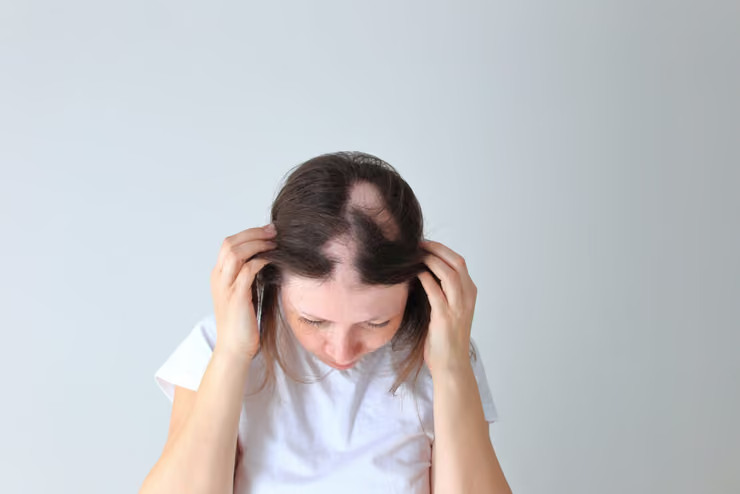
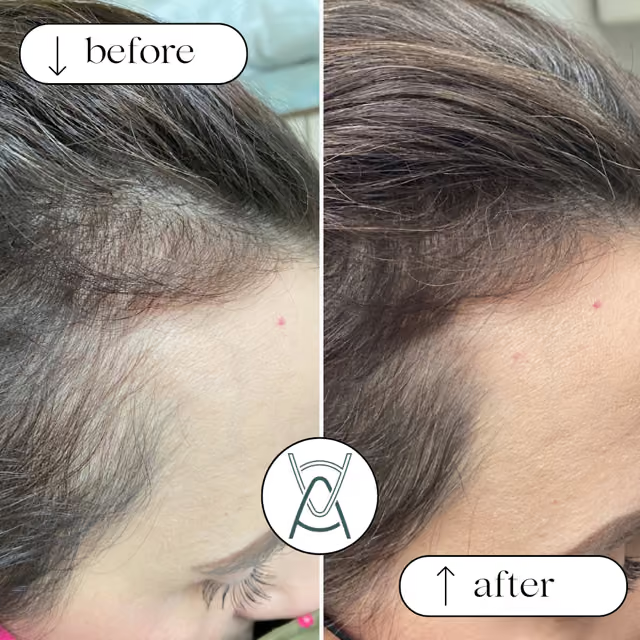
Your treatment varies according to severity. Hair can regrow with treatment or without treatment, although no treatment can guarantee that it will. A common cause of one or several small, smooth, round bald spots is a condition where your immune system stops hair growth in one or several spots.
How Alopecia Areata Shows Up
This condition, also known as alopecia areata, is believed to be caused by your own immune system attacking hair follicles (the tiny pockets from which your hair grows). Fortunately, it usually does not scar the follicles, so hair can grow back.
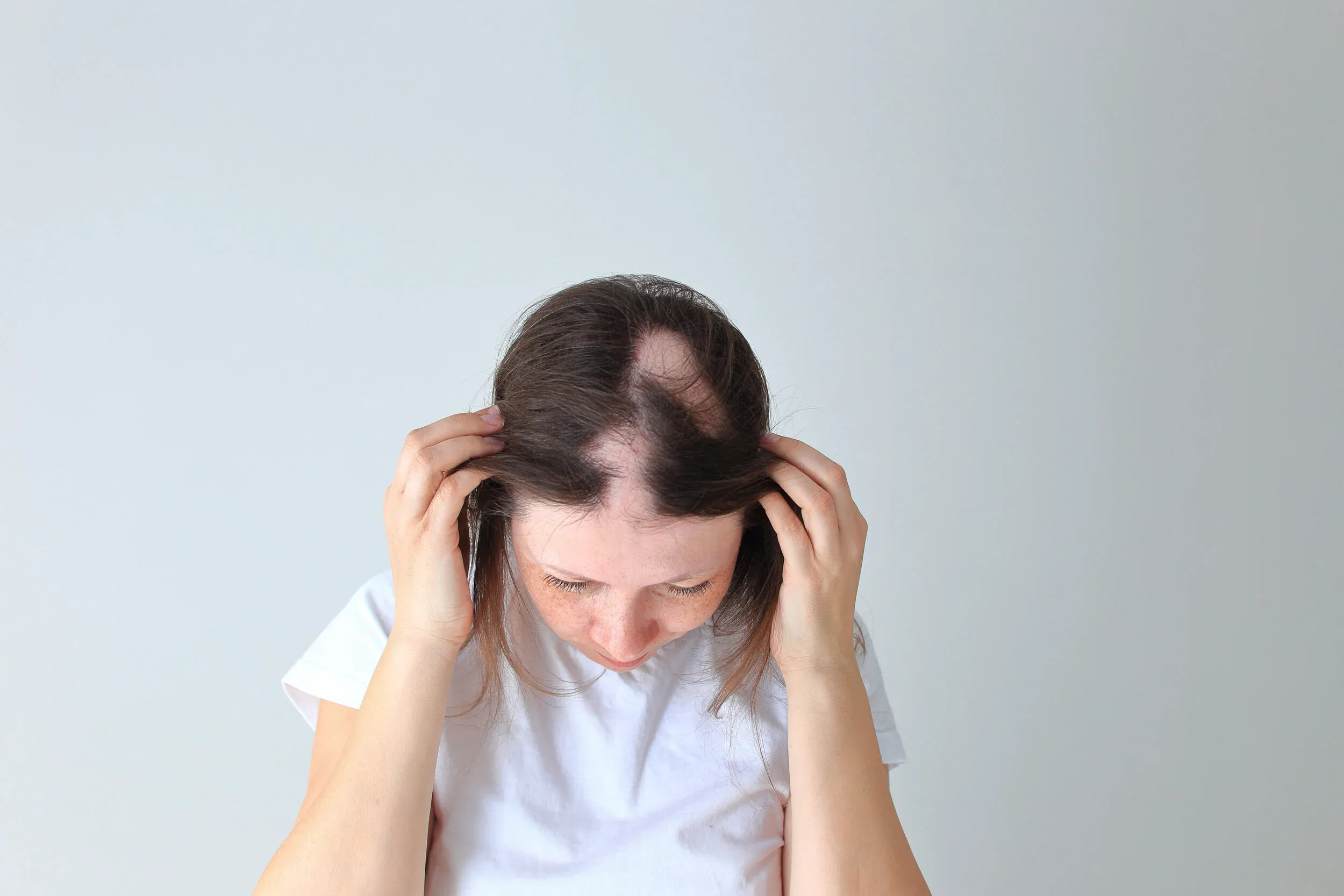
These smooth, round or oval spots usually appear suddenly, without obvious scaling or scarring, although some people feel itchiness, tingling or burning in the spot just before it develops. Sometimes, if you look closely at the edges of the spot you may see short, broken hairs that are narrow at the base (the end still in your scalp).
Eyebrows, eyelashes, beard or body hair may be affected as well. Sometimes your fingernails or toenails will have tiny pits, ridges, become rough or brittle. Occasionally, people lose all of the hair on their scalp (alopecia totalis) or all of the hair on their head and body (alopecia universalis).
People who have a family member with this problem are at increased risk. It can be associated with thyroid problems, eczema or vitiligo (patches of white skin caused by a loss of pigment).
Could a Bald Spot Be Something Else?
Other causes of bald spots on your head that we evaluate include:
- Scalp ringworm: This is a contagious fungal infection that is especially common in children. It usually causes scaly, itchy spots with broken hairs. It requires prescription anti-fungal pills, as it does not respond to shampoo alone. If very inflamed, it can cause scarring.
- Hair loss from tension (traction alopecia): This can occur anywhere on your head, but often at the hairline, from tight styles, extensions or coverings that keep pulling on your hair. It can cause broken hairs, a receding hairline and sometimes soreness or crusting at the hairline. It can cause permanent damage if the pulling continues.
- Hair pulling: Also known as trichotillomania, this can cause irregularly shaped bald spots with hairs broken at different lengths on your scalp, eyebrows or eyelashes. It is diagnosed by talking to you and examining you, and it can cause permanent damage if it goes on for a long time.
- Hair shedding all over your head: This can follow an illness, giving birth, marked weight loss, stress or other triggers, and is known as telogen effluvium. It does not cause scarring, although sometimes alopecia areata can cause thinning all over your head.
- Thinning or breaking of hair on the top (crown) of the head which spreads outward: This is a type of scarring hair loss, known as central centrifugal cicatricial alopecia, where hair is lost and replaced with scar tissue. It is important to check for this, as it can be treated to help prevent further hair loss, although areas that are very thin and smooth or shiny are usually advanced.
We evaluate hair loss by taking a history and examining your scalp, hair and nails. We sometimes use a small light to look more closely at your scalp and hair.
We occasionally take a small scalp biopsy (sample) to examine under the microscope, especially if we are unsure of the diagnosis, if your hair loss is diffuse or if we want to rule out scarring. We don’t do blood tests routinely, but will order them depending on your history and symptoms.
Can Alopecia Areata Be Treated?
There are many ways to treat this condition to help your hair grow back, although no cure has been proven to prevent new spots from developing.
Your hair may grow back over a period of months without treatment, especially if you don’t have extensive hair loss and if your hair loss is recent.
Those who have extensive or long-standing hair loss, who developed it as a child or who have nail changes are more likely to have a longer course of hair loss. Those who have a band-like area of hair loss around the back and sides of the head are also likely to have a longer course.
However, none of these findings are exact, and even if your hair loss grows back it may come back later, or you may develop new areas as others grow back. Often, when hair first starts to grow back it may be thin or white, but this does not indicate whether or not it will grow back. It usually gets thicker and may regain its color.
Treatment Options
We tailor treatment depending on the amount and location of your hair loss, your age, how long you have had it, whether or not you have been treated before and what your goals are. We usually use an approach like a “ladder” where we start with the least burdensome treatment, and “climb the ladder” if needed, although people with severe, extensive hair loss may start with pills right away.
- Watching with follow-up: Watch it to see what happens (sometimes an option if only a few spots, and they appeared recently)
- Steroid injections: Shot injections of steroid medicine into a few spots (called corticosteroid injections) are standard for adults. The medicine does not prevent new spots, but works in the spots where it is injected. If it works, hair may start to grow back in the spot fairly quickly, in about 2 months.
- Steroid creams: Rubbing a steroid medicine onto the spots (called topical steroids) using a cream, solution, or foam by prescription is often used for kids, or if you can't tolerate injections. These medicines are used for several months at a time, and you will be checked to see how you are doing.
- Short steroid courses: Taking a steroid medicine either by mouth or by injection that works throughout your body for a short time can sometimes help control it quickly when it is spreading a lot. But it may come back when the medicine is stopped or lowered. Steroid pills are not approved for this use.
- Prescription pills: Taking a special medicine by mouth (called JAK inhibitors) is the main long term option by mouth if it is severe. It may take at least 6 months to see if you are doing well on it, and sometimes up to a year.
We see kids with this problem, and dermatologists tend to be more selective about injecting them since the pain can be harder for them to tolerate. Teenagers with severe disease can sometimes take the pill.
Your hair loss may come back when you stop the pill, and the pill may not work as well if you need to start it again. So we will see you regularly starting right away to make sure you are doing as well as you can.
Hair Texture and Skin Tone
This problem looks pretty much the same in all skin colors, but can be harder to see how much scalp is involved if your hair is coiled or curly, so we check thoroughly but gently.
Black women can have problems with scarring at the crown of their head, and with tension related hair loss at the same time that they have this problem. We will see if you have any of these other problems, and will ask about tension from your hair, heat, chemicals, coverings, and washing to see if we can help avoid problems.
The steroid injections can cause lightening of the skin in the spot injected, and that is more visible in darker skin.
Living With Alopecia Areata
Using conditioner and untangling your hair gently, and not putting heat and tension in your hair can help prevent too much breaking of your hair, but will not affect the problem itself.
Regardless of your skin color, protect your scalp from the sun by wearing a hat and by putting a broad spectrum, water resistant sunscreen with an SPF of at least 30 on your scalp. Put the sunscreen on every two hours or so if you are outside, and put it on again if you swim or sweat.
Wigs, hairpieces, hats, scarves, eyebrow makeup or temporary eyebrows, or false eyelashes can be used with or without treatment to cover the hair loss. Glasses can help your eyes if you lose your eyelashes.
Anxiety and depression are related to this problem, and even if you don't have much hair loss, you may be upset by it. If you are upset about it for more than a while, please tell us.
Along with treatment or with camouflage, there are options to help your mental health. One resource is the National Alopecia Areata Foundation; they can help with support groups, individual support, mentoring kids and teens, and helping with school.
This problem is not contagious. A plan for school should be okay with your child, whether they want to tell people or not, and whether they want to wear a hat, scarf, or wig or not.
When to See a Dermatologist
A new patch, spreading loss, loss in the brows, lashes or beard, patches in a child or a stalled treatment call for an evaluation.
Tell us about thyroid disease, diabetes, eczema or other conditions, your medicines and supplements, past treatments and results, and how hair loss affects you.
Steroid injections can cause discomfort, pinpoint bleeding, lighter skin at the site, or a dent where the skin or fat beneath thins. Creams and solutions can cause skin thinning, acne-like bumps, color change or small visible blood vessels, depending on strength, site and duration.
Steroid medicine that acts throughout the body is avoided long term because of weight gain and raised blood pressure or blood sugar. It can also thin bones, cloud the eye's lens (cataracts) and make infections more likely, and short courses carry some of that risk.
JAK inhibitor pills approved by the FDA for severe alopecia areata are available for adults, and some for teenagers from age 12. These pills carry the strongest FDA warning, covering serious infections, cancer, serious heart problems such as heart attack and stroke, blood clots and death. Your dermatologist weighs that warning against your own health history, including past blood clots, heart attack, stroke, cancer and current or past smoking, before prescribing.
Before starting, expect screening for infections including tuberculosis and viral hepatitis, plus blood counts, liver and kidney tests and cholesterol, repeated during treatment. A serious infection, even in one area, or tuberculosis found on screening is treated before you start. Vaccines are reviewed because live ones are avoided, and liver or kidney problems can affect which pill suits you.
These pills are avoided during pregnancy, and you should not breastfeed while taking them or for a short time after, so we discuss pregnancy plans beforehand. We check your other medicines for interactions, since these pills are not combined with other pills or injections that strongly weaken the immune system. One pill needs a genetic blood test first, because the result, or certain other medicines you take, can rule that pill out.
If you have diabetes, your blood sugar may need closer checks, since these pills can cause low blood sugar. Common side effects include acne, headache, infections such as shingles, and changes in blood tests such as cholesterol.
If you take a JAK inhibitor pill, seek emergency care right away, calling 911 if needed, for:
- Chest pain.
- Sudden shortness of breath.
- Signs of a stroke, such as sudden one-sided weakness, a drooping face or trouble speaking.
- A leg that becomes painful, swollen or tender, or an arm that swells.
- Sudden, unexplained upper back pain.
- A sudden change in vision, especially in one eye.
- Signs of a serious allergic reaction, such as hives or a rash, swelling of the lips, tongue or throat, trouble breathing, or feeling faint or dizzy.
- With some of these pills, new belly pain, especially with fever, chills, nausea or vomiting.
- With one of these pills, a sudden severe headache.
- Very low blood sugar that causes passing out or a seizure, or that you cannot treat without help.
Contact us or your treating clinician promptly for:
- New or deepening skin dents during steroid treatment.
- Marked skin thinning during steroid treatment.
- Any vision change during steroid treatment, especially near the eyes (sudden vision loss or severe eye pain needs emergency care right away).
- Fever, a lasting cough, painful skin sores or other signs of infection while on a JAK inhibitor pill, or steroid pills or injections that act throughout the body.
- Low blood sugar readings, or shakiness, sweating, dizziness or confusion, if you have diabetes and take a JAK inhibitor pill.
- A painful, swollen, boggy scalp area with pus or crusting, especially with fever or tender neck glands.
- Smooth, shiny skin where hair openings seem gone, lasting scale around hairs, pus bumps, or loss spreading outward from the crown.
This article is general education, so it cannot diagnose you or replace an evaluation.
Our Approach
Our team includes board-certified dermatologists who provide physician-directed care in our South Loop dermatology practice. We take the time to determine the cause of your condition and review your options with you. We customize our recommendations for you, based on the best available medical evidence.
Questions Patients Often Ask
Will Alopecia Areata Go Away on Its Own?
It varies. Sometimes, particularly if you have a small area of hair loss that started recently, your hair may grow back on its own. However, it is impossible to predict this.
Is Alopecia Areata a Rare Condition?
No. The word “alopecia” simply means hair loss.
Alopecia areata is a common form of hair loss. Forms of it that result in complete loss of your scalp or body hair are less common.
Can Diet or Supplements Stop Alopecia Areata?
No. There is no good evidence that any particular diet will impact the immune process that causes alopecia areata. We recommend a good, balanced diet for general good health.
If you are found to have a nutritional deficiency after testing, it is reasonable to correct that. However, getting too much of certain nutrients can also be bad for your hair.
There are a number of supplements, essential oils, onion juice, herbal remedies, etc. that have been touted for alopecia areata, but none have been proven to be helpful.
Is It Safe to Wash My Hair?
Yes. It is fine to wash your hair as often as you need to with a mild cleanser. You should gently wash the bare areas as well.
Can Stress Cause Alopecia Areata?
Not necessarily. While some people have a period of stress or illness prior to the onset of their hair loss, often no cause can be identified. Please know that this is not something that you did to cause your hair loss, and simply trying to decrease your stress will not necessarily resolve your hair loss.
Talk With Us About Your Next Step
Whether you choose to watch and wait, pursue treatment, or camouflage your hair loss, our team is here to help determine the cause of your hair loss and review your options with you. Please contact us to schedule an appointment or if you have any questions.
Individual results and duration of results may vary. Outcomes are not guaranteed.