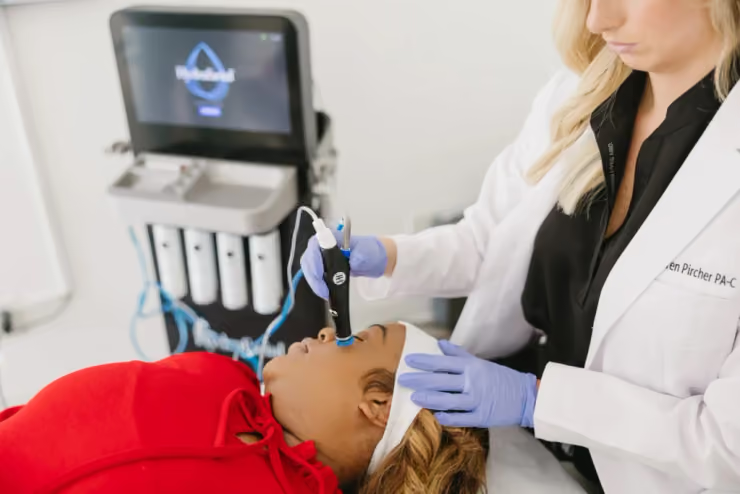
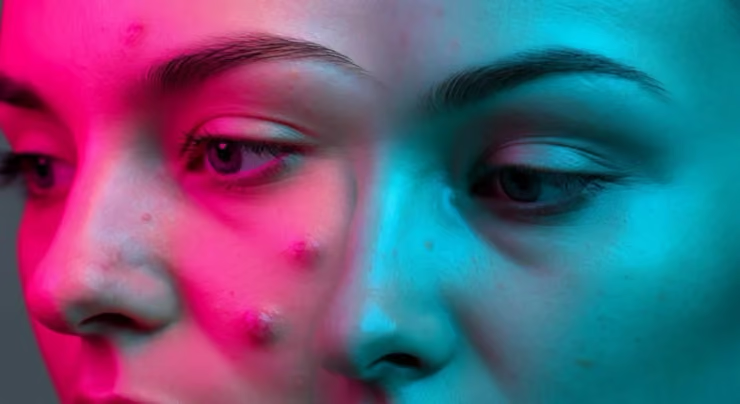
Smoothing your acne scars starts with knowing which kind of scars you have. The options differ mainly in which scars they reach, so the choice is made after someone looks at your skin.
Which Kind of Acne Scars Are You Seeing?
Most acne scars are dips left where collagen was lost as a breakout healed. The shape of the edge tells you which of the five groups you are looking at.
- Broad shallow dips with sharp edges (superficial boxcar scars): These sit near the surface and may respond to resurfacing on its own.
- Rolling scars with soft edges: These are anchored from below, so they usually need a small release beneath the skin alongside resurfacing.
- Narrow deep pits (ice pick scars): These usually need targeted acid spot treatments or a minor surgical technique.
- Deep sharp-edged dips (deep boxcar scars): These behave like the pits and need the same targeted work.
- Raised scars (hypertrophic scars or keloids): These are extra scar tissue, and they need a different approach altogether.
Flat red or brown marks left behind by acne are discoloration rather than scars, and they follow a different plan.
What Professional Treatment Actually Does
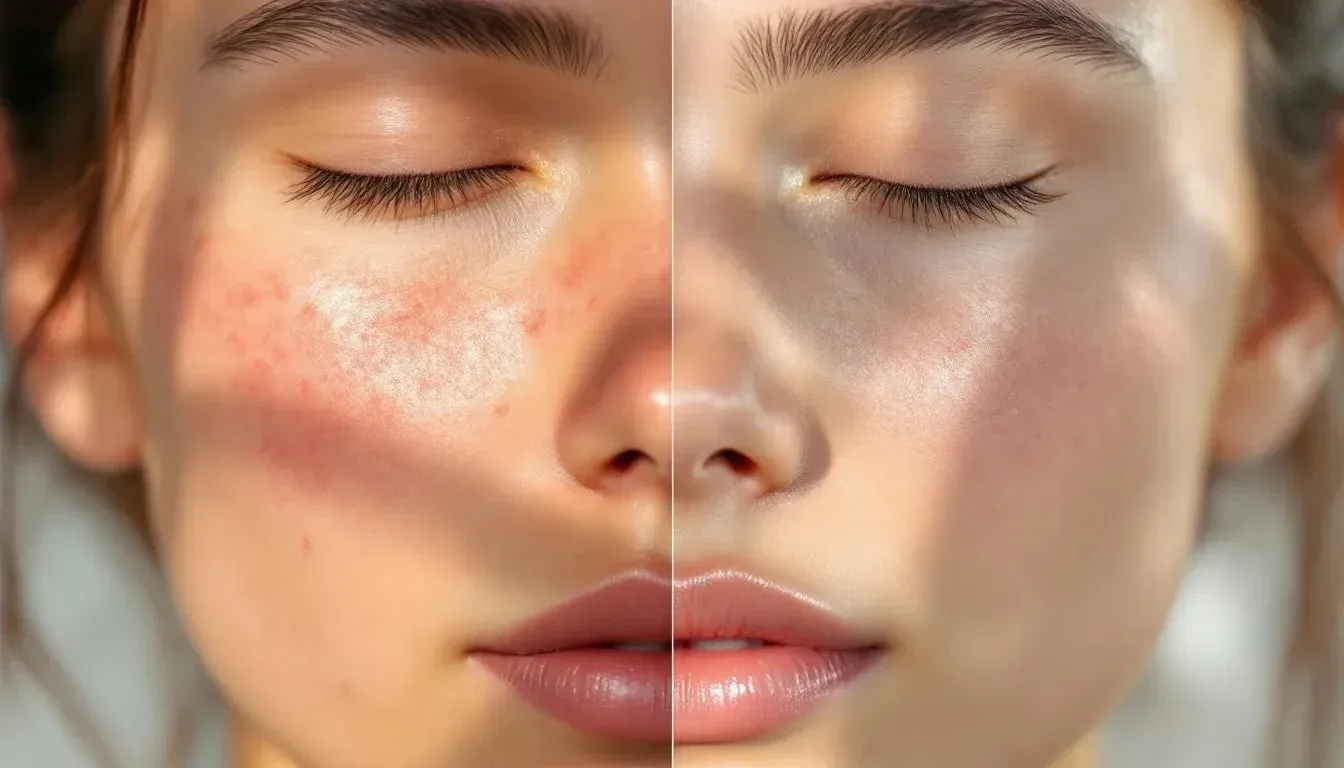
A controlled injury prompts new collagen to form where the scar sits. That collagen makes certain depressed scars shallower and less noticeable rather than filling or erasing them, and deep or tethered scars improve less.
Before any of this begins, active acne is controlled, so new scars stop forming while the old ones are treated.
Which Procedure Suits Which Scar
Think of the list above as a roadmap: each scar type has its own route, and most people travel more than one.
- Laser resurfacing: Our laser treatments heat the skin in a fine pattern so new collagen forms, which suits depressed scars and overall texture.
- Microneedling: Fine needles make the same kind of controlled injury without heat, which suits selected depressed scars with less to recover from. A concentrate of your own blood (platelet-rich plasma, or PRP) can be added during the session, and its evidence is still developing.
- Chemical peels: A peel solution lifts the outer layer of skin, which suits dark marks left after acne (post-inflammatory hyperpigmentation) and superficial texture change. Superficial and medium peels improve the surface and do not reach deep scars, deep wrinkles or loose skin.
- Small targeted procedures: A release beneath a tethered rolling scar, or an acid spot treatment on a deep pit, narrows scars that resurfacing alone cannot reach.
Laser resurfacing works gradually, and the change builds over months through predictable healing stages. Licensed aestheticians perform laser resurfacing, microneedling and chemical peels under dermatologist direction after an individualized medical evaluation.
Most Plans Combine More Than One Procedure
Most people carry more than one scar type on the same cheek, so most plans assign a different procedure to each scar component. A rolling scar may get its release, a pit its spot treatment, and the whole area a resurfacing pass. Those parts run in sequence, because each step needs healed skin before the next one begins.
For you, that means the plan does not happen at one visit. Each step waits for healed skin. We revisit the plan as the earlier parts settle, since a scar that has softened may need less than we first expected.
What Changes for Medium to Deep Skin Tones
The same procedures are available for medium to deep skin tones, and the planning is more conservative. Skin with more pigment answers injury by making more pigment, so the risk of dark marks where the scars were is higher after treatment.
We choose the device, the depth and the settings more conservatively, run longer intervals between sessions, and sometimes treat a small test spot first. Those choices affect both the pace of the result and how far it goes. Microneedling does not use heat, which helps, and pigment change can still occur, and not every cleared device has been studied in darker skin.
What a Consultation Decides
A consultation settles which scar types are on your skin and which of them a procedure can reach. It also settles what your skin tone and history change about the plan, and the order the parts run in.
In the room, we look at your skin in good light and stretch it gently. A dip with soft edges behaves differently from one with sharp edges. We go through past treatment and how your skin healed, and you leave with an order of operations rather than one procedure name.
We evaluate first, then tailor the plan to your scars. We see patients regularly, to monitor your progress, answer questions, and make thoughtful adjustments, partnering with you until you achieve the best possible outcome.
Before You Book
Microneedling devices are cleared for treating facial acne scars in adults 22 and older. It does not cover microneedling with PRP, and not every device, area or use has been reviewed.
Tell your dermatologist about prescription acne medication (isotretinoin) you take or recently took, and about any recent peel, laser or procedure. Timing depends on the procedure and on whether your skin has healed.
Laser resurfacing, microneedling and chemical peels are all deferred or replanned for active skin infection, open wounds, active rash, or uncontrolled eczema or psoriasis. The same holds for an active herpes outbreak anywhere on the treatment field, including cold sores.
A history of cold sores calls for preventive antiviral medication, especially before deeper treatments. Pregnancy, nursing, patches of lost pigment (vitiligo), and autoimmune skin disease at the site need individualized planning.
So do steroid pills or injections acting throughout the entire body, long-term steroid use, and conditions or medications weakening whole-body immunity. So do smoking, medications that increase sun sensitivity, a history of raised or abnormal scarring, and poor wound healing. So do uncontrolled diabetes, recent radiation or facial surgery, and an allergy to a treatment ingredient.
Recent sun exposure or tanning may delay treatment, and intentional tanning is avoided around a session. Expect redness, swelling, warmth, discomfort, crusting, peeling, temporary pigment change, and pinpoint bleeding after microneedling.
Less common risks are blistering or burns, and bacterial or viral infection, including a cold sore flare. Delayed healing, prolonged redness, scarring, and lasting darkening or lightening are also possible. Contact our office promptly if you notice any of the following:
- pain, redness, warmth or swelling that is getting worse instead of better
- fever or chills
- pus or foul-smelling drainage
- new grouped blisters or cold sore symptoms
- significant blistering
- bleeding that continues past 24 hours
- swelling that is severe or lasts beyond a week
- skin that is not healing on the expected schedule
This article is education, not a diagnosis, and does not replace an evaluation of your skin.
Our South Loop dermatology practice is physician-led and part of the Northwestern Medicine Physician Network. A board-certified dermatologist evaluates your skin before any cosmetic plan, and every treatment on that plan is evidence-based and physician-directed.
Questions Patients Often Ask
Can acne scars be removed completely?
No. Professional treatment makes certain depressed scars shallower and less noticeable through new collagen forming, and deep or tethered scars may improve less.
Is acne scar treatment safe for medium to deep skin tones?
Yes. Laser resurfacing, microneedling and chemical peels can all be performed on medium to deep skin tones. The device, settings and approach are individualized to your skin type at your consultation.
How many sessions will I need?
It varies. The number and spacing of sessions depend on your scar types, the procedures in the plan, your skin tone and how your skin heals. Some plans stop after a short series, and we set the next step at each follow-up.
Will the treatments hurt?
It varies. A numbing cream is applied before microneedling, and what you feel during a laser or peel depends on the depth chosen for your scars.
Talk With Us About Your Next Step
Feeling uncertain about which scars are which is expected, because the sorting happens in person. Bring your questions, and we will map your scars, explain the options that reach them, and set the order of the plan. You can request an appointment online or contact our office with a question.
Individual results and duration of results may vary. Outcomes are not guaranteed.