
Cellulitis Specialists Chicago: Expert Treatment & Care | Advanced Derm
Introduction: Understanding Cellulitis and Its Risks
Cellulitis is a common but potentially serious bacterial skin infection that requires prompt medical attention. When bacteria enter the deeper layers of your skin through cuts, scrapes, or other skin breaks, they can cause the painful redness, swelling, and warmth characteristic of cellulitis. Without proper treatment, this infection can quickly spread to your lymph nodes and bloodstream, leading to severe complications.
At Advanced Dermatology & Aesthetic Medicine in Chicago, our board-certified dermatologists provide expert diagnosis and treatment of cellulitis and other skin infections. With years of experience and specialized training, our team delivers the highest standard of care for patients dealing with this concerning condition.
This comprehensive guide explores everything you need to know about cellulitis, from recognizing early symptoms to understanding treatment options and prevention strategies. If you're experiencing signs of a skin infection, don't wait—contact our Chicago cellulitis specialists today.
What is Cellulitis? Causes and Symptoms
Understanding Cellulitis
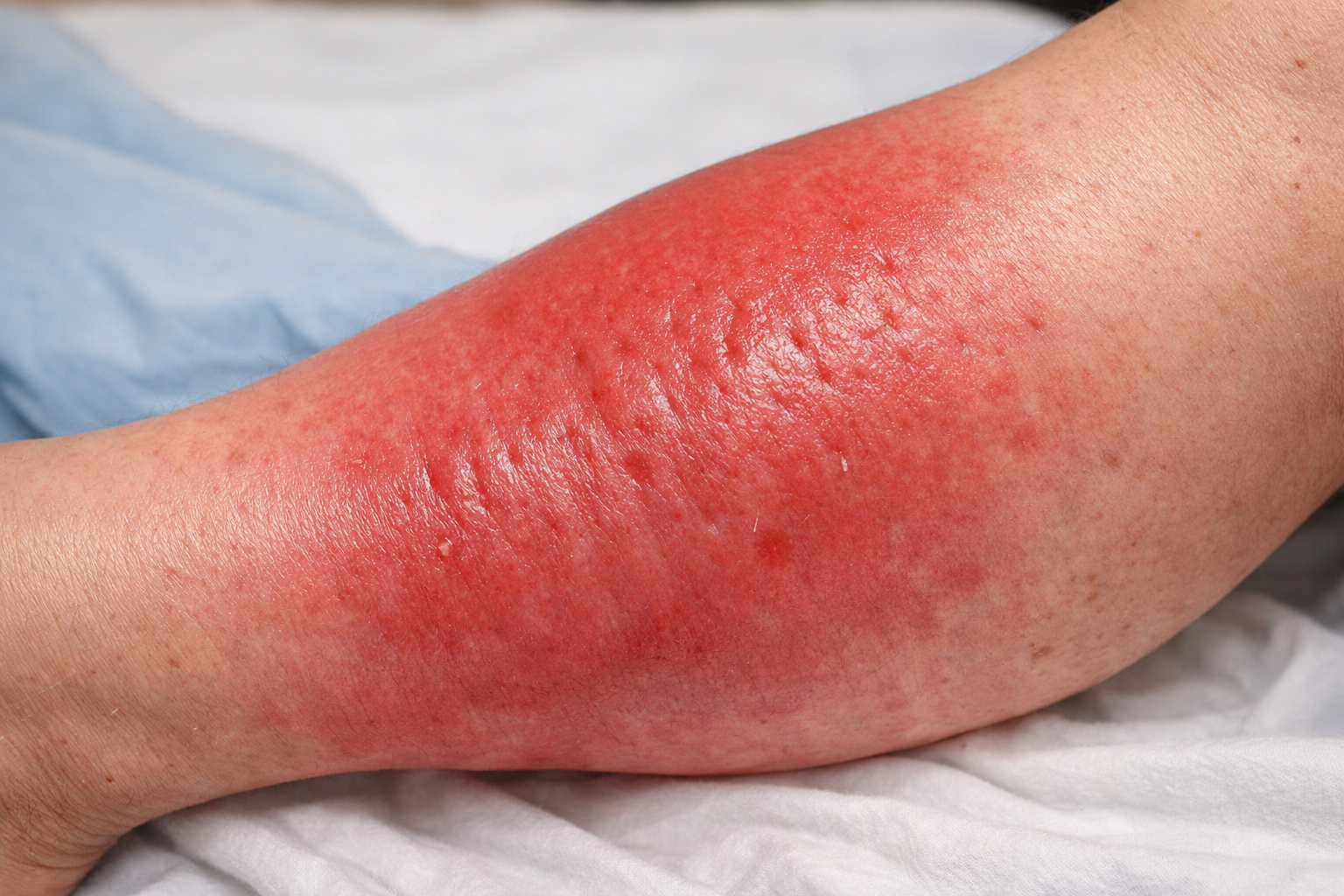
Cellulitis is a bacterial infection that affects the deeper layers of the skin and the tissue beneath it. It most commonly affects the lower part of the body, including the legs, feet, and toes, although it can occur anywhere on the body. Cellulitis: Symptoms, Causes, Treatment & Recovery The infection develops when bacteria, typically streptococcus or staphylococcus, enter through a break in the skin.
Common Causes of Cellulitis
Several factors can increase your risk of developing cellulitis:
Skin injuries: Cuts, scrapes, burns, or surgical wounds provide entry points for bacteria.
Skin conditions: Conditions like eczema, athlete's foot, or dermatitis can create breaks in the skin that allow bacteria to enter.
Weakened immune system: Conditions such as diabetes, HIV/AIDS, or taking medications that suppress the immune system increase vulnerability.
Previous cellulitis: If you've had cellulitis before, you're at higher risk for future occurrences.
Chronic swelling (lymphedema): Long-term swelling, especially in the arms or legs, increases susceptibility.
Obesity: Excess weight can create skin folds where bacteria thrive and may compromise circulation.
Recognizing Cellulitis Symptoms
Early recognition of cellulitis symptoms is crucial for prompt treatment. Common signs include:
Redness: A red, inflamed area of skin that expands over time
Swelling: Noticeable puffiness in the affected area
Pain and tenderness: The area feels painful when touched
Warmth: Skin feels warmer than surrounding areas
Skin dimpling: The surface may appear pitted like an orange peel
Fever and chills: Systemic symptoms indicating the infection is spreading
Fatigue: General tiredness as your body fights the infection
Skin tightness: The affected area may feel stretched or tight
Red streaks: Lines extending from the infected area indicate the infection spreading through lymph vessels
Why Specialized Care Matters: The Advanced Derm Chicago Approach
Expert Diagnosis
Medical tests alone cannot diagnose cellulitis, which is why seeing a dermatologist is essential. Dermatologists have extensive training in diagnosing the many conditions that can look like cellulitis, ensuring accurate diagnosis and appropriate treatment. Cellulitis: Diagnosis and treatment
At Advanced Dermatology & Aesthetic Medicine, our cellulitis specialists use a comprehensive approach to diagnosis that includes:
Thorough skin examination: Carefully assessing the affected area and surrounding skin
Medical history review: Identifying risk factors and previous skin infections
Specialized tests when needed: Including skin cultures to identify the specific bacteria causing the infection
Differential diagnosis: Distinguishing cellulitis from other conditions that may appear similar, such as deep vein thrombosis or contact dermatitis
Customized Treatment Plans
At Advanced Derm Chicago, we offer expert care for skin conditions affecting your health and comfort, including bacterial infections like cellulitis, with our team creating personalized treatment plans based on your specific needs. Dermatologist Chicago | Advanced Dermatology & Aesthetic Medicine
Our treatment approach for cellulitis typically includes:
Antibiotic therapy: Prescription antibiotics targeted to the specific bacteria
Pain management: Recommendations for reducing discomfort during healing
Wound care: Proper cleaning and dressing of any wounds or skin breaks
Follow-up care: Monitoring your progress to ensure complete resolution
Prevention strategies: Education on avoiding recurrence
For severe cases of cellulitis, we coordinate with local hospitals for intravenous antibiotics when necessary, ensuring continuity of care throughout your treatment.
Treatment Options for Cellulitis
Antibiotic Treatment
The cornerstone of cellulitis treatment is antibiotics. Depending on the severity of your infection, our dermatologists may prescribe:
Oral Antibiotics
First-line treatment for most cases of cellulitis
Usually prescribed for 5-10 days
Common options include dicloxacillin, cephalexin, or clindamycin
Important to complete the full course even if symptoms improve
Intravenous Antibiotics
Reserved for severe infections or when oral antibiotics aren't effective
May require hospitalization
Administered directly into the bloodstream for faster action
Often followed by oral antibiotics to complete the treatment course
Supportive Care Measures
In addition to antibiotics, the following supportive measures help promote healing:
Elevation: Raising the affected limb above heart level reduces swelling and pain
Rest: Limiting activity helps your body focus energy on fighting the infection
Pain relievers: Over-the-counter medications like acetaminophen or ibuprofen can help manage discomfort
Warm compresses: Applying warm, moist cloths to the area may help improve circulation
Proper hydration: Drinking plenty of fluids supports your immune system
Advanced Treatments for Complicated Cases
For recurrent or resistant cellulitis, our specialists may recommend:
Extended antibiotic courses: Longer treatment periods to fully resolve the infection
Combination antibiotic therapy: Using multiple antibiotics to target resistant bacteria
Addressing underlying conditions: Treating conditions like lymphedema or chronic skin diseases that contribute to recurrence
Preventive antibiotics: In cases of frequent recurrence, low-dose prophylactic antibiotics may be prescribed

When to Seek Emergency Care for Cellulitis
Recognizing Dangerous Signs
While most cases of cellulitis can be treated on an outpatient basis, certain symptoms indicate a need for immediate medical attention:
Rapidly spreading redness and swelling
Fever above 100.4°F (38°C)
Red streaks extending from the infected area
Severe pain or numbness in the affected area
Blisters or skin breakdown
Dizziness or confusion
If you experience these symptoms, go to the emergency room or call 911. Once stabilized, our cellulitis specialists at Advanced Dermatology & Aesthetic Medicine can provide follow-up care to ensure complete resolution and prevent recurrence.
Prevention Strategies: Reducing Cellulitis Risk
Daily Skin Care Practices
To prevent cellulitis, it's important to take care of your skin and treat minor wounds promptly, as these measures can significantly reduce your risk of infection. Take extra care with skin wounds to prevent cellulitis-Cellulitis - Symptoms & causes - Mayo Clinic
Our dermatologists recommend these preventive measures:
Clean wounds promptly: Wash cuts, scrapes, and burns with soap and water
Apply protective ointment: Use an antibiotic ointment on minor wounds
Cover breaks in the skin: Use bandages to protect wounds until healed
Moisturize regularly: Keep skin hydrated to prevent cracking
Treat skin conditions: Address underlying issues like athlete's foot, eczema, or dermatitis
Practice good hygiene: Wash hands regularly and shower after activities that cause sweating
Inspect feet daily: Especially important for those with diabetes
Wear protective footwear: Reduce risk of cuts and punctures
Manage chronic conditions: Keep diabetes and other health conditions well-controlled
Special Considerations for High-Risk Individuals
If you have recurrent cellulitis or are at higher risk due to conditions like diabetes or lymphedema, additional preventive measures may include:
Compression garments: For those with lymphedema or chronic swelling
Regular dermatology check-ups: Monitoring skin health and addressing concerns early
Preventive antibiotics: In cases of frequent recurrence
Specialized skin care regimens: Tailored to your specific risk factors
Why Choose Advanced Dermatology & Aesthetic Medicine for Cellulitis Treatment?
Our Expert Team
Dr. Rani leads our team with over 15 years of experience and dual board certifications in dermatology and internal medicine, bringing exceptional expertise to the treatment of cellulitis and other skin infections. Dermatologist Chicago | Advanced Dermatology & Aesthetic Medicine Our providers stay current with the latest research and treatment protocols for bacterial skin infections, ensuring you receive the most effective care available.
Comprehensive Care Approach
At Advanced Dermatology & Aesthetic Medicine, we offer:
Prompt appointments: Quick access to care when you have concerning symptoms
Accurate diagnosis: Distinguishing cellulitis from other conditions that may look similar
Personalized treatment: Tailored to your specific condition, health history, and needs
Continuity of care: From initial diagnosis through complete resolution
Prevention education: Strategies to reduce your risk of future infections
State-of-the-Art Facilities
Our Chicago office features modern diagnostic and treatment capabilities in a comfortable environment. We prioritize both the effectiveness of your treatment and your comfort throughout the process.
FAQs About Cellulitis Treatment
How quickly will I see improvement after starting antibiotics?
After starting treatment for cellulitis, you should notice improvement in 24 to 48 hours. If you don't see improvement within this timeframe, contact your doctor's office as your treatment plan may need adjustment. Cellulitis: Overview
Can cellulitis come back after treatment?
Yes, cellulitis can recur, especially if you have risk factors such as diabetes, lymphedema, or ongoing skin conditions. Following preventive measures and addressing underlying conditions can help reduce the risk of recurrence. If you experience multiple episodes, our specialists may recommend preventive strategies or maintenance treatments.
How can I tell the difference between cellulitis and a regular skin irritation?
Cellulitis typically causes more severe symptoms than common skin irritations, including spreading redness, significant warmth, pain, and possibly fever. However, many conditions can mimic cellulitis, which is why professional evaluation is essential. Our dermatologists have the expertise to distinguish cellulitis from other skin conditions.
Is cellulitis contagious?
Cellulitis itself is not contagious—you cannot catch it from someone else. However, the bacteria that cause cellulitis can spread from person to person through direct contact with infected wounds or contaminated items. Proper hygiene and wound care help prevent this spread.
Will I need to be hospitalized for cellulitis treatment?
Most cases of cellulitis can be treated on an outpatient basis with oral antibiotics. However, hospitalization may be necessary if:
The infection is severe or rapidly spreading
You have a high fever or other systemic symptoms
You have a compromised immune system
The infection doesn't respond to oral antibiotics
The infection is on your face or near critical areas
Conclusion: Taking Action Against Cellulitis
Cellulitis is a serious bacterial skin infection that requires prompt medical attention. With early diagnosis and appropriate treatment from the specialists at Advanced Dermatology & Aesthetic Medicine in Chicago, most cases resolve completely without complications.
If you notice signs of cellulitis—redness, swelling, warmth, and pain in an area of skin—don't wait to seek care. Our team of board-certified dermatologists has the expertise to diagnose your condition accurately and provide effective treatment to resolve the infection and prevent recurrence.
Take the first step toward healthier skin by scheduling an appointment with our cellulitis specialists today. Your skin health is our priority, and we're committed to providing the highest quality care for all your dermatological needs.
Schedule an appointment at Advanced Dermatology & Aesthetic Medicine or call our office at (847) 802-9667 to learn more about our services for treating cellulitis and other skin infections.
