
Is Dermatology Covered by Insurance? Understanding Your Skin Care Benefits
One of the most common questions patients ask before scheduling a dermatology appointment is whether their insurance will cover the visit and treatments. The answer isn't always straightforward, as coverage depends on several factors including the type of visit, your specific insurance plan, and whether the care is deemed medically necessary. At Advanced Dermatology & Aesthetic Medicine in Chicago, we believe that understanding your insurance coverage is an important part of your dermatological care experience.
This comprehensive guide will help you navigate the sometimes confusing world of insurance coverage for dermatology services, empowering you to make informed decisions about your skin health care.
Medical vs. Cosmetic Dermatology: The Coverage Divide
Medical Dermatology: Typically Covered
Most insurance plans provide coverage for dermatology services that are considered medically necessary. These generally include:
Skin Condition Diagnosis and Treatment
Acne treatment (when moderate to severe)
Eczema and psoriasis management
Rosacea care
Skin infection treatment
Rash diagnosis and treatment
Hair loss evaluation (for medical causes)
Nail disorders
Skin Cancer Services
Annual skin cancer screenings for high-risk patients
Evaluation of suspicious moles or lesions
Skin biopsies
Skin cancer removal and treatment
Pre-cancerous lesion treatment
Medical Procedures
Cyst removal when causing pain or infection
Wart treatment (in many cases)
Mole removal when medically indicated
Intralesional injections for inflammatory conditions
At Advanced Dermatology & Aesthetic Medicine, our medical dermatology services address these and other skin health concerns that typically qualify for insurance coverage when deemed medically necessary.
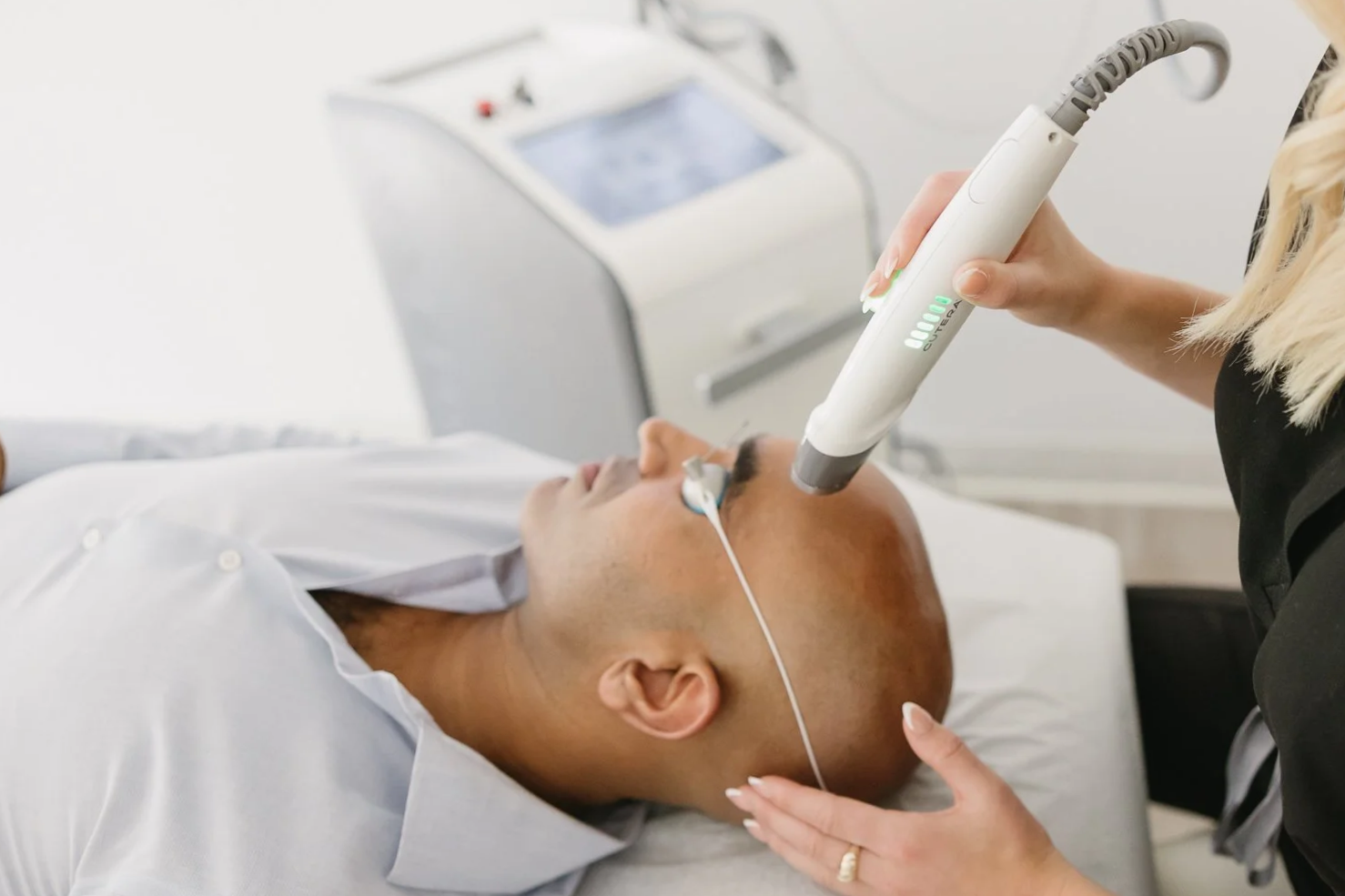
Cosmetic Dermatology: Typically Not Covered
Insurance plans generally do not cover procedures performed purely for cosmetic or aesthetic purposes. These non-covered services typically include:
Botox and dermal fillers for wrinkle reduction
Chemical peels for skin rejuvenation
Laser treatments for photoaging
Microdermabrasion and microneedling
Laser hair removal
Body contouring procedures
Treatments specifically for reducing the signs of aging
Vein treatments for cosmetic spider veins (though treatment of symptomatic varicose veins may be covered)
It's important to note that some treatments that are typically considered cosmetic may be covered when treating a medical condition. For example, Botox may be covered when used to treat medical conditions like hyperhidrosis (excessive sweating) or certain types of migraines.
How Insurance Coverage Works for Dermatology
Insurance Plan Types and Coverage Differences
The type of insurance plan you have significantly impacts your dermatology coverage:
HMO (Health Maintenance Organization) Plans
Usually require referrals from primary care physicians before seeing a dermatologist
Limited to dermatologists within the HMO network
Often have lower out-of-pocket costs but more restrictions
May have specific requirements for documenting medical necessity
PPO (Preferred Provider Organization) Plans
Typically allow direct access to dermatologists without referrals
Offer coverage for both in-network and out-of-network providers (though at different rates)
Generally provide more flexibility in choosing your dermatologist
Usually have higher premiums but more provider options
High-Deductible Health Plans (HDHPs)
Require meeting a higher deductible before insurance begins covering services
May be paired with Health Savings Accounts (HSAs) that can be used for dermatology services
Often result in paying out-of-pocket for early-year dermatology visits until deductible is met
May offer lower monthly premiums but higher out-of-pocket costs
Medicare and Medicaid
Medicare typically covers dermatology services deemed medically necessary
Coverage may vary for specific procedures and treatments
Medicare Advantage plans may offer different coverage than Original Medicare
Medicaid coverage varies by state but generally covers medically necessary dermatology
Understanding Your Costs: Deductibles, Copays, and Coinsurance
Even with insurance coverage, patients are typically responsible for certain costs:
Common Out-of-Pocket Expenses
Deductibles
The amount you must pay before your insurance begins to cover services
Ranges widely, from a few hundred to several thousand dollars
Resets annually, usually on January 1st
May not apply to certain preventive services
Copayments
Fixed amounts paid at each visit (e.g., $25, $50, or $75 for specialist visits)
May vary based on the type of service provided
Usually due at the time of your appointment
Generally not applied toward your deductible
Coinsurance
Percentage of costs you share with your insurance after meeting your deductible
Commonly ranges from 10% to 30% of the allowed amount
Continues until you reach your out-of-pocket maximum
May vary for different types of services
Example Cost Scenarios
To better understand potential costs, consider these example scenarios:
Scenario 1: Annual Skin Check with PPO Plan
Service: Annual full-body skin cancer screening
Provider: In-network dermatologist
Typical costs: Specialist copay ($40-75) with deductible waived for preventive care
Scenario 2: Acne Treatment with High-Deductible Plan
Service: Moderate acne treatment
Provider: In-network dermatologist
Typical costs: Full cost of visit and treatment until deductible is met, then coinsurance percentage until out-of-pocket maximum is reached
Scenario 3: Mole Removal with HMO Plan
Service: Removal of suspicious mole with biopsy
Provider: In-network dermatologist with referral
Typical costs: Specialist copay for the visit, possibly additional costs for the procedure depending on plan specifics
Maximizing Your Dermatology Insurance Benefits
Essential Steps Before Your Appointment
1. Verify In-Network Status
Always confirm that your dermatologist is in-network with your insurance plan before your appointment. At Advanced Dermatology & Aesthetic Medicine, we recommend:
Calling your insurance provider directly using the number on your insurance card
Asking specifically about the dermatologist you plan to see, as network participation can vary even within the same practice
Confirming the location, as some providers may be in-network at certain locations but not others
Recording the date of your call and the name of the representative for future reference
2. Understand Your Specific Benefits
Before your visit, take time to understand your plan's specific coverage for dermatology:
Review your plan documents for dermatology coverage details
Check if your plan requires referrals for specialist visits
Understand your current deductible status (how much you've met so far)
Verify your copay or coinsurance amounts for specialist visits
Ask if any preauthorization is required for certain procedures
3. Ask About Coverage for Specific Treatments
If you're concerned about costs, inquire about coverage for specific procedures:
Call your insurance company with the CPT codes for planned procedures (our office can provide these)
Ask about coverage for specific medications if prescription treatment is anticipated
Inquire if certain treatments require meeting specific medical criteria for coverage
Determine if step therapy is required (trying less expensive treatments before coverage for more costly options)
Working With Your Dermatology Practice
At Advanced Dermatology & Aesthetic Medicine, our team works with you to maximize your insurance benefits:
Coverage Verification Services
Our office staff can help verify your insurance coverage before your visit, though we always recommend patients also check independently with their insurance provider.
Documentation for Medical Necessity
Our dermatologists provide thorough documentation to support the medical necessity of treatments when applicable, which can help secure insurance coverage for:
Acne treatments that might otherwise be considered cosmetic
Mole removals with concerning features
Certain laser or light treatments when used for medical conditions
Treatments for scarring when causing functional impairment
Clear Communication About Costs
We believe in transparent communication about potential costs:
Information about which procedures are likely to be covered by insurance
Estimates for out-of-pocket expenses when possible
Discussion of alternative treatment options when cost is a concern
Explanation of which portions of combination treatments may be covered
When Insurance Doesn't Cover: Options for Non-Covered Services
Financing Options and Payment Plans
For services not covered by insurance, we offer several payment options:
Payment Plans
Dividing the cost of treatment over several months can make non-covered services more manageable.
Health Savings Accounts (HSAs) and Flexible Spending Accounts (FSAs)
These tax-advantaged accounts can be used for many dermatology services, including those not covered by insurance.
Care Credit and Other Medical Financing
Specialized healthcare credit options often provide interest-free periods for medical treatments.
Cost-Effective Alternatives
Our dermatologists can often suggest more affordable alternatives when insurance coverage is a concern:
Prescription treatments instead of in-office procedures
Medical-grade skincare regimens from our ADAM skincare line as adjuncts to or alternatives for certain procedures
Staged treatment approaches that spread costs over time
Combination therapies that maximize results while minimizing expenses
Frequently Asked Questions About Dermatology Insurance Coverage
Do I need a referral to see a dermatologist for my insurance to cover the visit?
Whether you need a referral depends on your specific insurance plan. HMO plans typically require referrals from primary care physicians before seeing specialists like dermatologists. PPO plans generally allow direct access to specialists without referrals. Some point-of-service (POS) plans may offer better coverage with a referral. At Advanced Dermatology & Aesthetic Medicine, we recommend checking your specific plan requirements before scheduling your appointment to avoid unexpected out-of-pocket costs.
Will my insurance cover removal of a mole that I don't like the appearance of?
Insurance typically covers mole removal only when there is a medical reason, such as suspicion of skin cancer, significant irritation, bleeding, or changes in appearance that suggest potential malignancy. Removal solely for cosmetic reasons is generally not covered. However, our dermatologists perform a thorough examination of any mole you're concerned about, and if there are medical indications for removal, they provide the proper documentation to support insurance coverage. If the removal is purely cosmetic, we'll discuss out-of-pocket costs before proceeding.
How can I find out if my specific treatment will be covered before my appointment?
The most reliable way to determine coverage for a specific treatment is to contact your insurance provider directly with the CPT code (procedural code) for the service. Our office can provide these codes for planned procedures. When calling your insurance, ask specifically about coverage criteria, whether the procedure requires preauthorization, and what your estimated out-of-pocket costs might be based on your current deductible status. Keep in mind that final coverage determination often depends on the diagnosis codes assigned after your examination, which can only be determined during your visit.
What happens if my insurance denies coverage for a treatment my dermatologist recommends?
If your insurance denies coverage for a medically necessary treatment, several options exist: First, our office may submit an appeal with additional medical documentation supporting the necessity of the treatment. Second, your dermatologist might recommend alternative treatments that are more likely to be covered. Third, you can file a personal appeal with your insurance company, sometimes with documentation we provide. Finally, if the treatment remains uncovered but is important for your health, we can discuss payment plans or other financing options to make the treatment more affordable.
Does insurance ever cover treatments that are typically considered cosmetic?
Yes, in certain circumstances, treatments that are typically considered cosmetic may be covered when used to treat medical conditions. For example, Botox injections might be covered for hyperhidrosis (excessive sweating) or certain types of migraines. Chemical peels or laser treatments might be covered for certain types of acne scarring or pigmentation disorders. Coverage depends on your specific insurance plan, the medical necessity of the treatment, and proper documentation of the condition. Our dermatologists at Advanced Dermatology & Aesthetic Medicine can help determine if a typically cosmetic treatment might qualify for coverage in your specific situation.
Making Informed Decisions About Your Dermatological Care
Understanding your insurance coverage for dermatology services empowers you to make informed decisions about your skin health. While insurance considerations are important, they should be balanced with the medical necessity and potential benefits of recommended treatments.
At Advanced Dermatology & Aesthetic Medicine in Chicago, we believe in providing exceptional dermatological care while helping patients navigate the complexities of insurance coverage. Our team works diligently to maximize your benefits for covered services while offering transparent information about costs for non-covered treatments.
Your skin health is too important to compromise due to insurance confusion. Whether you're seeking treatment for a medical skin condition, a skin cancer screening, or exploring cosmetic options, we're here to help you understand your coverage and make the best decisions for your health and well-being.
Ready to schedule your dermatology appointment? Contact our office today, and be sure to have your insurance information ready so we can help verify your coverage.
Summary
Dermatology services are typically covered by insurance when deemed medically necessary, including treatment for skin conditions like acne, eczema, and psoriasis, as well as skin cancer screenings and removal of suspicious lesions. Cosmetic procedures are generally not covered. To maximize your benefits, always verify your dermatologist is in-network with your insurance, understand your plan's specific coverage including copays and deductibles, and ask about coverage for specific treatments if cost is a concern. At Advanced Dermatology & Aesthetic Medicine in Chicago, our team helps patients navigate insurance complexities while providing exceptional skin care.
